
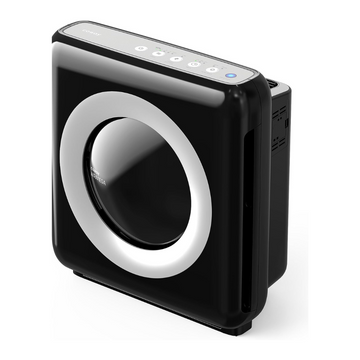
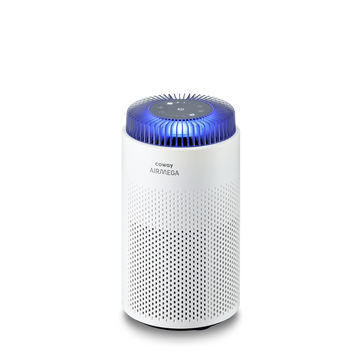
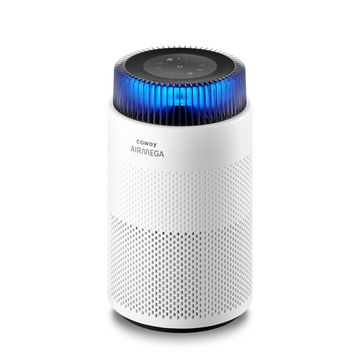
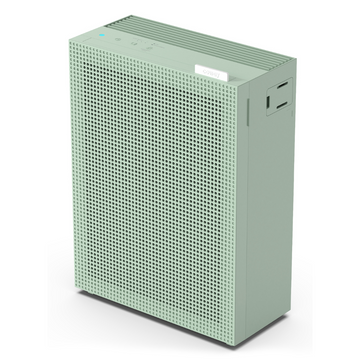



Air purifiers have become essential household appliances, particularly for those concerned about indoor air quality. At the heart of most air purifiers lies a HEPA filter—a crucial component that captures airborne particles and allergens. But as these filters accumulate dust and debris, a common question arises: can you clean a HEPA filter, or must you replace it?
This comprehensive guide will walk you through everything you need to know about HEPA filter maintenance, from understanding different filter types to proper cleaning techniques and replacement schedules.
Understanding HEPA Filters
HEPA (High-Efficiency Particulate Air) filters are designed to capture microscopic particles from the air. Quality HEPA filters, such as those found in Coway air purifiers, can capture 99.999% of particles measuring 0.01 microns—far smaller than most allergens, dust, and even some bacteria.

These filters work through a combination of mechanisms including interception, impaction, and diffusion, creating a dense mesh that traps particles whilst allowing air to flow through.
Types of HEPA Filters
Not all HEPA filters are created equal, and understanding the different types is essential for proper maintenance:
Non-Washable HEPA Filters
Most standard HEPA filters are non-washable and designed as replaceable components. These filters feature delicate fibres arranged in a specific pattern that can be damaged by water or vigorous cleaning attempts.
Washable HEPA Filters
Some air purifiers feature washable or permanent HEPA filters designed for repeated cleaning. These filters typically have a more durable construction that can withstand water and gentle cleaning without compromising filtration efficiency.
Pre-Filters
Many air purifiers include a pre-filter layer that captures larger particles before they reach the HEPA filter. These pre-filters are often washable and should be cleaned regularly to extend the life of your main HEPA filter.
How to Clean a HEPA Filter (Non-Washable)
Whilst you cannot wash a standard HEPA filter, you can perform light maintenance to extend its lifespan between replacements.
Vacuum Cleaning Method
Regular vacuuming can remove surface dust and debris from non-washable HEPA filters:
Step 1: Remove the filter from your air purifier according to the manufacturer's instructions.
Step 2: Take the filter outdoors or to a well-ventilated area to prevent redistributing dust indoors.
Step 3: Use a vacuum cleaner with a soft brush attachment set to low suction.
Step 4: Gently run the brush over the filter surface, working in the direction of the pleats. Avoid pressing too hard, as this can damage the delicate filter material.
Step 5: Vacuum both sides of the filter if accessible.
Step 6: Allow the filter to air out for a few minutes before reinstalling.
Important Limitations
Vacuuming only removes surface particles and cannot restore a filter to like-new condition. This method provides temporary relief but is not a substitute for filter replacement. If your filter appears heavily soiled, discoloured, or has been in use for the recommended replacement period, vacuuming will not restore its effectiveness.
Cleaning Pre-Filters and Other Components
Whilst HEPA filters require careful handling, pre-filters and other air purifier components often benefit from regular cleaning.
Pre-Filter Maintenance
Pre-filters capture larger particles like hair, dust, and pet dander, protecting your HEPA filter from premature clogging. Most pre-filters can be cleaned every two to four weeks:
Remove the pre-filter according to your model's instructions. Vacuum both sides using a soft brush attachment to remove loose debris. If washable, rinse under running water and allow to dry completely before reinstalling. Some pre-filters can be cleaned with a damp cloth rather than full submersion.

External Components
Don't forget to clean the exterior of your air purifier. Wipe down the unit's exterior with a slightly damp cloth to remove dust. Clean air intake and output vents regularly to ensure unobstructed airflow. Check and clean any sensors according to manufacturer guidelines, as dust accumulation can affect performance readings.
How Often to Change a HEPA Filter in an Air Purifier
Filter replacement frequency depends on several factors, but general guidelines apply for most households.
Standard Replacement Schedule
Most manufacturers recommend replacing HEPA filters every 6 - 12 months under normal usage conditions. However, this timeline can vary based on your specific circumstances.
Factors Affecting Filter Lifespan
Air Quality: Homes in areas with high pollution, near construction sites, or in dusty environments may require more frequent replacements—potentially every 6-9 months.
Usage Patterns: Running your air purifier continuously or on high settings will shorten filter life compared to intermittent use.
Pet Ownership: Homes with pets typically need filter replacements every 6-8 months due to increased pet dander and hair.
Household Size: Larger families generate more airborne particles, accelerating filter saturation.
Smoking: Tobacco smoke significantly reduces filter lifespan and may require replacement every 3-6 months.
Signs Your HEPA Filter Needs Replacement
Don't rely solely on time-based schedules. Watch for these indicators:
Reduced airflow from your air purifier despite cleaning other components. Unusual odours emanating from the unit, suggesting trapped particles are breaking down or mould is developing. Increased allergy symptoms or poor air quality despite the purifier running. Visible discolouration or heavy debris accumulation on the filter surface. Filter change indicator light activating (if your model includes this feature).
Maximising HEPA Filter Lifespan
Whilst filters eventually require replacement, these practices can help you get the most from each one.
Pre-Filter Maintenance
Regular pre-filter cleaning is the single most effective way to extend HEPA filter life. Clean washable pre-filters every 2-4 weeks, or replace disposable pre-filters every 3 months. This simple maintenance step prevents larger particles from reaching and prematurely clogging your HEPA filter.
Optimal Air Purifier Placement
Position your air purifier away from direct sources of dust and debris. Avoid placing it directly on the floor where dust accumulates, instead elevating it slightly for better air circulation. Keep the unit away from curtains, furniture, or walls that might obstruct airflow.

Regular Household Cleaning
Reducing the overall dust and particle load in your home decreases the burden on your air purifier. Regular vacuuming with a HEPA-equipped vacuum cleaner, dusting with damp cloths, and maintaining clean bedding all contribute to longer filter life.
Appropriate Settings
Use your air purifier's auto mode when available, allowing the unit to adjust fan speed based on detected air quality. Running constantly on high speed isn't always necessary and accelerates filter wear. Reserve maximum settings for times when air quality is genuinely poor.
Common HEPA Filter Maintenance Mistakes
Avoid these frequent errors that can damage filters or reduce air purifier effectiveness.
Never Do These Things
Washing Non-Washable Filters: This is the most common and damaging mistake. Water permanently compromises standard HEPA filter effectiveness, regardless of how carefully you dry them.
Using Cleaning Chemicals: Soaps, detergents, or chemical cleaners can leave residue that attracts more dirt or produces harmful off-gassing when air flows through the filter.
Excessive Force: Aggressive vacuuming, beating, or shaking can damage filter fibres and compromise filtration efficiency.
Reinstalling Damp Filters: Any moisture remaining in a filter creates an ideal environment for mould and bacterial growth.
Ignoring Replacement Schedules: Attempting to extend filter life beyond reasonable limits means you're essentially running an ineffective air purifier that consumes electricity without properly cleaning your air.
Environmental and Cost Considerations
HEPA filter replacement represents an ongoing cost of air purifier ownership, but strategies exist to manage this expense whilst maintaining effectiveness.
Genuine vs Third-Party Filters
Whilst third-party filters may seem attractive due to lower prices, they often don't meet the same filtration standards as genuine manufacturer filters. For optimal performance and to maintain any warranties, use filters specifically designed for your air purifier model. Quality filters like those designed for Coway air purifiers ensure you're receiving the advertised filtration efficiency.
Disposal
Used HEPA filters contain captured particles, allergens, and pollutants. Seal the old filter in a plastic bag before disposal to prevent releasing trapped contaminants. Check local recycling guidelines, as some areas accept certain filter components for recycling. Never attempt to "recycle" a filter by reusing it after the recommended replacement period.
Long-Term Cost Planning
Factor regular filter replacement into your air purifier ownership costs. Some manufacturers offer subscription services for automatic filter delivery at appropriate intervals. Buying filters in multipacks when available can reduce per-unit costs whilst ensuring you have replacements on hand.
Conclusion
Understanding how to properly maintain your HEPA filter is essential for optimal air purifier performance and indoor air quality. Whilst the question "can you wash a HEPA filter?" has a nuanced answer depending on filter type, the key takeaway is clear: most HEPA filters are not washable, and attempting to wash them will permanently reduce their effectiveness.
Regular maintenance of washable components like pre-filters, combined with appropriate filter replacement schedules, ensures your air purifier continues delivering the clean air you depend on. By following manufacturer guidelines and watching for signs of filter saturation, you'll maximise both filter lifespan and air cleaning performance.
Remember that your HEPA filter works tirelessly to capture microscopic particles—including the 99.999% of 0.01-micron particles captured by quality systems like Coway air purifiers. Treating this crucial component with proper care ensures you continue breathing cleaner, healthier air for years to come.
Sources and Further Reading:
For specific maintenance instructions for your air purifier model, always consult your manufacturer's user manual or official website for the most accurate and up-to-date information.


