


Key Takeaways
Before diving deep, here's what you need to know about air purifiers and allergy relief:
-
Air purifiers equipped with HEPA filters can remove up to 99.97% of airborne allergens as small as 0.3 microns
-
They effectively capture common triggers including pollen, pet dander, dust mites, and mould spores
-
Clinical studies show users experience 30-60% reduction in allergy symptoms within 2-4 weeks of consistent use
-
Placement, room size coverage, and filter quality significantly impact effectiveness
-
Air purifiers work best as part of a comprehensive allergy management strategy
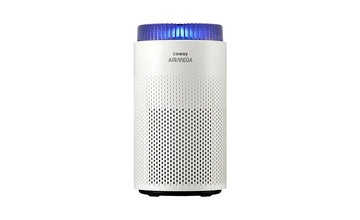
Explore Coway's advanced air purification solutions designed specifically for allergy sufferers seeking cleaner, healthier indoor air.
How Air Purifiers Help With Indoor Air Quality and Allergies
Can air purifiers help with allergies? The short answer is yes, but understanding how they work reveals why they've become essential tools for millions managing allergic reactions. Your indoor environment contains countless microscopic particles that trigger allergic responses, and research from the UK Health Security Agency shows the concentration of these allergens is often 2-5 times higher indoors than outdoors.
When you experience allergic symptoms like sneezing, itchy eyes, or congestion, your immune system is reacting to specific proteins found in common household allergens. These particles remain suspended in your breathing space for hours, creating continuous exposure that over-the-counter medications alone struggle to manage effectively.
The relationship between air quality and allergy severity becomes particularly evident during peak pollen seasons. According to Allergy UK, over 18 million people in the UK suffer from hay fever. When outdoor allergens infiltrate your home through windows, doors, and even on clothing, an air purifier creates a protective barrier by continuously filtering your indoor air, reducing the allergen load your immune system must handle.
How Air Purifiers Actually Work to Combat Allergens
How do air purifiers help eliminate allergy triggers? The mechanism involves sophisticated multi-stage filtration that captures particles your eyes cannot see. Understanding this process helps you appreciate why quality matters when selecting an air purification system.
The HEPA Filter Advantage
High-Efficiency Particulate Air (HEPA) filters represent the gold standard in allergen removal. These densely woven filters create a maze-like structure that traps particles through three distinct mechanisms: interception, impaction, and diffusion. When manufacturers claim air purifiers work for allergies, they're primarily referencing HEPA technology's proven capabilities.

According to European Standard EN 1822, a HEPA filter must meet strict standards, capturing at least 99.95% of particles measuring 0.3 microns (the UK standard references 99.97%). To put this in perspective, most allergens fall well within this range:
|
Allergen Type |
Particle Size |
HEPA Effectiveness |
|
Pollen |
10-100 microns |
99.97%+ |
|
Pet Dander |
0.5-100 microns |
99.97%+ |
|
Dust Mite Debris |
5-20 microns |
99.97%+ |
|
Mould Spores |
3-40 microns |
99.97%+ |
|
Smoke Particles |
0.01-1 microns |
99.97% (at 0.3+) |
Multi-Stage Filtration Systems
Premium air purifiers employ multiple filter layers working in concert. A pre-filter captures larger particles like hair and dust, extending the HEPA filter's lifespan. Many models include activated carbon filters that address odours and volatile organic compounds, though these don't directly impact allergen levels. Some systems incorporate ionisation or UV-C light technology for additional purification.

The air circulation rate, measured in Air Changes per Hour (ACH), determines how quickly the purifier can clean your entire room volume. For allergy relief, experts recommend achieving at least 4-5 complete air changes hourly, meaning the purifier processes your room's total air volume every 12-15 minutes.
Research from the UK Health Security Agency demonstrates that portable air purifiers can reduce PM2.5 concentrations by between 22.6% and 92% when compared to controls, with significant implications for allergen reduction.
What Specific Allergens Can Air Purifiers Remove?
Does an air purifier help with allergies caused by different triggers? The effectiveness varies slightly by allergen type, but modern HEPA-equipped purifiers handle the most common culprits remarkably well.
Seasonal and Year-Round Allergens
Pollen allergies respond exceptionally well to air purification. Tree, grass, and weed pollens that infiltrate your home during spring, summer, and autumn get trapped before reaching your respiratory system. With the UK experiencing increasingly longer pollen seasons due to climate change (as reported by the Met Office), many allergy sufferers report their indoor spaces become genuine refuges during peak pollen counts when using properly sized purifiers.
Pet dander presents a unique challenge because cats and dogs continuously shed microscopic skin flakes and proteins found in saliva and urine. With approximately 59% of UK households owning pets (according to the Pet Food Manufacturers' Association), this is a significant concern. These lightweight particles remain airborne for extended periods, but air purifiers excel at capturing them. Pet owners with allergies often experience dramatic symptom reduction, though complete elimination requires combining air purification with regular cleaning and pet grooming.
A systematic review and meta-analysis published in Indoor Air demonstrated that air filters equipped with HEPA technology led to measurable symptom reduction in patients with allergic rhinitis, with particular effectiveness against pet allergens.
Dust mite allergens come from the waste and decomposing bodies of these microscopic creatures living in bedding, upholstery, and carpets. According to Asthma + Lung UK, dust mites are one of the most common allergy triggers in British homes. Whilst air purifiers cannot eliminate dust mites from surfaces, they effectively capture the airborne particles that trigger allergic reactions when disturbed during activities like making beds or hoovering.
Research conducted in Munich, Germany, examining the effect of air filtration on house dust mite, cat and dog allergens found that HEPA air purifiers significantly reduced airborne allergen concentrations across all particle size fractions.
Mould and Other Indoor Allergens
Mould spores represent serious allergy triggers that air purifiers handle effectively. These reproductive particles become airborne easily, especially in humid environments—a particular concern in the UK's damp climate. However, addressing mould requires a dual approach: air purification captures spores whilst you must also eliminate the moisture sources allowing mould growth.
Cockroach allergens, another trigger in urban environments, can also be reduced through consistent air filtration, though addressing the underlying infestation remains paramount.
Choosing the Right Air Purifier for Your Allergy Needs
Will an air purifier help with allergies in your specific situation? Success depends heavily on selecting an appropriate model and using it correctly. The air purification market offers hundreds of options ranging from compact desktop units to whole-home systems, and understanding key specifications prevents costly mistakes.
Essential Features for Allergy Sufferers
When evaluating air purifiers specifically for allergy relief, prioritise these critical features:
HEPA certification: Accept nothing less than HEPA filters meeting the 99.97% efficiency standard (or 99.95% under European EN 1822 standard).
Appropriate CADR ratings: The Clean Air Delivery Rate indicates how quickly the purifier cleans air for specific pollutants. For allergy relief, look for high CADR ratings for dust and pollen (ideally 200+ for medium rooms).
Room size coverage: Manufacturers specify maximum room sizes, but for optimal allergy control, choose a purifier rated for 1.5-2x your actual room dimensions. This ensures adequate air changes per hour. Calculate coverage in square metres—a 20 square metre bedroom should use a purifier rated for 30-40 square metres.
Quiet operation: Since bedrooms represent crucial placement locations for allergy relief, noise levels matter significantly. Look for models offering sleep modes operating below 30 decibels. The UK's Quiet Mark certification identifies genuinely quiet appliances suitable for sleep environments.

Explore Coway's range of air purifiers featuring advanced HEPA filtration systems specifically engineered to address diverse allergy triggers across various room sizes and layouts.
Smart Features That Enhance Effectiveness
Modern air purifiers incorporate technology that improves convenience and effectiveness. Real-time air quality monitors show current particulate levels, helping you understand when allergen concentrations spike. Automatic modes adjust fan speeds based on detected air quality, ensuring optimal purification without manual intervention.
Filter replacement indicators prevent the common mistake of running purifiers with saturated, ineffective filters. Some advanced models offer smartphone connectivity, allowing you to monitor and control air quality remotely—particularly valuable for pre-purifying your bedroom before sleep or your home before arrival during high pollen days.
Coway Air Purifiers: Advanced Technology for Allergy Relief
Coway has established itself as a leader in air purification technology, offering innovative solutions specifically designed to combat allergies and improve indoor air quality. Their air purifiers feature advanced multi-stage filtration systems that go beyond standard HEPA technology.
Coway's proprietary filters can capture an impressive 99.999% of particles as small as 0.01 microns—significantly smaller than conventional HEPA standards. This enhanced capability means even the tiniest allergens, including ultrafine particles and bacteria, are effectively removed from your breathing space. With smart sensors that monitor air quality in real-time, automatic fan speed adjustment, and energy-efficient operation, Coway air purifiers combine cutting-edge technology with a user-friendly design to deliver exceptional allergy relief for UK homes.
Clinical research from the Isle of Wight, UK, demonstrated that air purifiers with HEPA filters significantly improved rhinitis quality of life scores and sleep quality in adults with asthma, validating the real-world effectiveness of quality air purification for allergy sufferers.
Taking Control of Your Indoor Air Quality
The evidence clearly demonstrates that air purifiers good for allergies represent more than marketing claims—they're scientifically proven tools that meaningfully reduce allergen exposure and improve quality of life for millions. Whether you struggle with seasonal pollen, year-round pet dander, or dust mite allergies, properly selected and maintained air purification technology can significantly ease your symptoms.
Success requires more than simply purchasing any air purifier and plugging it in. You need HEPA filtration, appropriate sizing for your space, strategic placement, and consistent maintenance. When combined with other proven allergy management strategies like regular cleaning and medical treatment, air purifiers become powerful allies in your fight against allergic reactions.
The investment in quality air purification pays dividends in improved sleep, reduced medication needs, enhanced productivity, and most importantly, the ability to feel comfortable and breathe easily in your own home. As someone managing allergies, you deserve that relief and the peace of mind that comes from taking concrete action to improve your environment.
Ready to experience the difference clean air makes? Discover how Coway's innovative air purification technology combines proven HEPA filtration with smart features designed specifically for allergy sufferers seeking lasting relief.
Common Questions About Air Purifiers and Allergies
How long does it take for an air purifier to help with allergies?
Most people notice initial improvements within 3-5 days of consistent use, with sleep quality often improving first. Significant symptom reduction typically occurs within 2-4 weeks as the purifier reduces accumulated allergen levels in your home. Maximum benefits usually appear after 4-6 weeks of continuous operation. Remember that air purifiers work by reducing allergen concentrations over time rather than providing instant relief like antihistamines.
Should I run my air purifier constantly or only when symptoms occur?
Will air purifiers help with allergies most effectively when run continuously? Absolutely. Allergens continuously enter your home and become disturbed by daily activities. Running your purifier 24/7 maintains low allergen levels, preventing the buildup that triggers symptoms. Most modern units consume minimal electricity—typically less than a standard light bulb (around 50 watts)—making continuous operation affordable, costing approximately £25-35 per year at current UK energy rates.
Can air purifiers make allergies worse?
Quality HEPA air purifiers should never worsen allergies when used correctly. However, three scenarios might create this impression: neglected filters becoming so saturated they release captured allergens back into air, ionising purifiers producing ozone that irritates respiratory systems, or improperly sized units creating false security whilst allergens accumulate. Always maintain filters properly and avoid ozone-generating technologies if you have respiratory sensitivities.
Do I need an air purifier in every room?
Not necessarily, but strategic placement in high-use spaces provides optimal protection. Prioritise bedrooms, home offices, and living rooms where you spend the most time. Many families find that 2-3 well-placed, properly sized units provide better coverage than a single whole-home system. Consider your specific allergen triggers and which rooms cause the most problems when deciding on placement.
What size air purifier do I need for my allergies?
Calculate your room's square metreage and select a purifier rated for 1.5-2x that size to ensure adequate air changes per hour for allergy relief. An 18 square metre bedroom should use a purifier rated for 27-36 square metres. Larger capacity units can operate on lower speeds, reducing noise whilst maintaining effectiveness. Don't undersize—it's the most common mistake limiting results.
Are expensive air purifiers worth it for allergies?
Price often correlates with features like smart sensors, quieter operation, and longer-lasting filters, but expensive doesn't always mean more effective for allergies. Focus on certified HEPA filtration, appropriate CADR ratings, and room size coverage rather than price alone. Mid-range models (£150-350) often provide excellent allergy relief. Coway's air purifiers offer medical-grade filtration at competitive prices, balancing performance with value.
References
This article has been thoroughly researched and draws from peer-reviewed studies, UK government health agencies, European health organisations, and authoritative medical institutions to ensure content accuracy and integrity.
UK Health and Allergy Organisations
-
Allergy UK. (2024). Statistics & figures. https://www.allergyuk.org/about-us/media-centre/statistics-and-figures/
-
Asthma + Lung UK. (2024). Dust mites and allergies. https://www.asthmaandlung.org.uk/advice/dust-mites
-
Asthma + Lung UK. (2024). Indoor air quality and respiratory health. https://www.asthmaandlung.org.uk
-
British Lung Foundation. (2024). Lung disease in the UK statistics. https://statistics.blf.org.uk/
-
Met Office. (2024). UK pollen forecast and climate change impacts. https://www.metoffice.gov.uk/weather/warnings-and-advice/seasonal/pollen
-
Pet Food Manufacturers' Association (PFMA). (2023). Pet population statistics 2023. https://www.pfma.org.uk/pet-population
UK Government and Regulatory Sources
-
UK Health Security Agency. (2021). Portable air purification: Review of impacts on indoor air quality and health. Science of the Total Environment, 766, 142585. https://researchportal.ukhsa.gov.uk/en/publications/portable-air-purification-review-of-impacts-on-indoor-air-quality
-
Department for Levelling Up, Housing and Communities. (2022). Ventilation: Approved Document F. UK Building Regulations. https://www.gov.uk/government/publications/ventilation-approved-document-f
-
Which? UK. (2024). Best air purifiers 2025: How to buy the best air purifier. https://www.which.co.uk/reviews/air-purifiers/
-
Energy Saving Trust UK. (2024). Running costs calculator. https://energysavingtrust.org.uk/energy-at-home/
-
Quiet Mark. UK certification for low-noise appliances. https://www.quietmark.com/
European Standards and Research
-
European Committee for Standardization (CEN). EN 1822: High efficiency air filters (EPA, HEPA and ULPA) – Classification, performance testing, marking. https://www.en-standard.eu/bs-en-1822-1-2019-high-efficiency-air-filters-epa-hepa-and-ulpa-classification-performance-testing-marking/
-
British Standards Institution (BSI). BS EN 1822: High efficiency air filters (EPA, HEPA, and ULPA). https://shop.bsigroup.com/ProductDetail?pid=000000000030358937
-
European Centre for Allergy Research Foundation (ECARF). Air purifier certification for allergy sufferers. https://www.ecarf.org/en/
UK and European Clinical Research
-
Kadalayil, L., et al. (2024). Effects of air purifiers on rhinitis quality of life and perception of sleep quality in people with asthma: Randomised controlled trial. Clinical & Experimental Allergy, 54(3). https://onlinelibrary.wiley.com/doi/full/10.1111/cea.14459
-
Shih, C.H., et al. (2024). Effectiveness of air filters in allergic rhinitis: A systematic review and meta-analysis. Indoor Air, 2024, 8847667. https://onlinelibrary.wiley.com/doi/10.1155/2024/8847667
-
Topp, C., et al. (2021). Effect of air filtration on house dust mite, cat and dog allergens and particulate matter in homes. Allergy, 77(6), 1948-1960. https://pmc.ncbi.nlm.nih.gov/articles/PMC9022093/
-
Sublett, J.L., et al. (2010). Air filters and air cleaners: Rostrum by the American Academy of Allergy, Asthma & Immunology Indoor Allergen Committee. Journal of Allergy and Clinical Immunology, 125(1), 32-38. https://pmc.ncbi.nlm.nih.gov/articles/PMC2824428/
-
University College London, Bartlett School for Environment, Energy and Resources. (2022). Why do people use portable air purifiers? Evidence from occupant surveys and air quality monitoring in homes in three European cities. Building Research & Information, 50(2), 213-229. https://www.tandfonline.com/doi/full/10.1080/09613218.2021.2001303
International Peer-Reviewed Research
-
Cheek, E., Guercio, V., Shrubsole, C., & Dimitroulopoulou, S. (2021). Portable air purification: Review of impacts on indoor air quality and health. Science of the Total Environment, 766, 142585. https://www.sciencedirect.com/science/article/abs/pii/S0048969720361143
-
Butz, A.M., et al. (2021). HEPA filtration improves asthma control in children exposed to traffic-related airborne particles. Indoor Air, 31(2), 487-498. https://pmc.ncbi.nlm.nih.gov/articles/PMC7895332/
-
Barn, P., et al. (2023). Real-world effectiveness of portable air cleaners in reducing home particulate matter concentrations. Aerosol and Air Quality Research, 23(8). https://aaqr.org/articles/aaqr-23-08-oa-0202
-
Park, H.K., et al. (2020). Effects of air purifiers on patients with allergic rhinitis: A multicenter, randomised, double-blind, and placebo-controlled study. Yonsei Medical Journal, 61(8), 689-697. https://pubmed.ncbi.nlm.nih.gov/32734732/
Additional Resources
-
World Health Organization Regional Office for Europe. (2023). Air quality guidelines. https://www.who.int/europe/health-topics/air-pollution


