
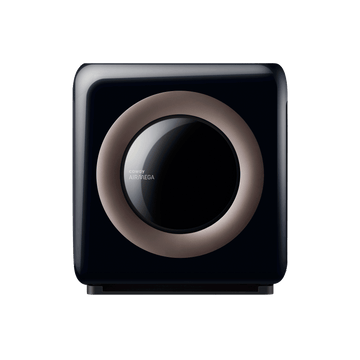
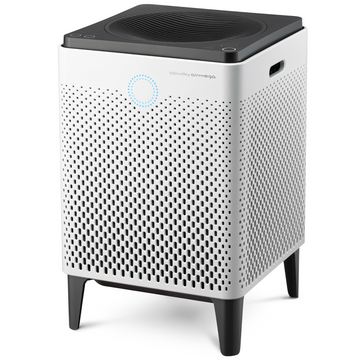


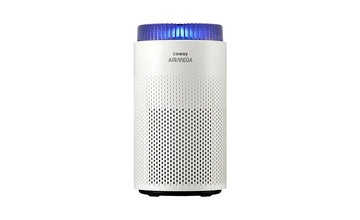

Key Takeaways
Air purifiers with HEPA filters can effectively remove 99.97% of airborne mould spores from your indoor environment, significantly reducing your exposure to these potentially harmful particles. However, they work best as part of a comprehensive mould management strategy that includes controlling moisture levels and addressing existing mould growth at its source.
Quick Facts:
-
HEPA filters capture mould spores ranging from 1-40 microns in size
-
Air purifiers reduce airborne mould concentration but don't eliminate surface mould
-
Running your air purifier 24/7 provides optimal protection
-
Maintain indoor humidity below 50% for best results
-
Combine air purification with proper ventilation and moisture control
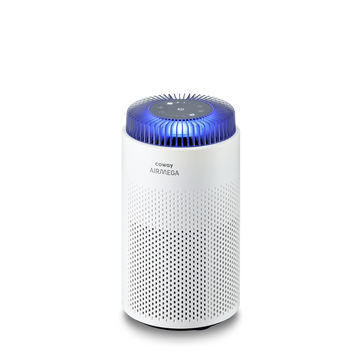
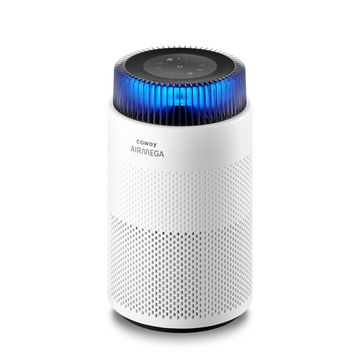
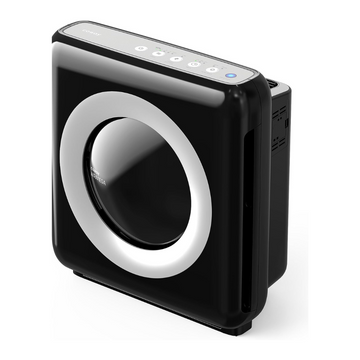
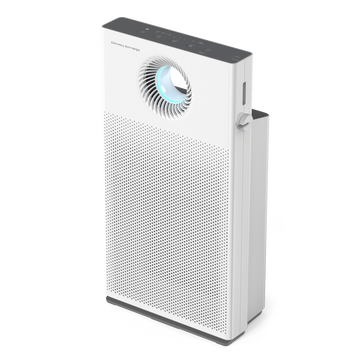
Explore Coway's air purifier collection to find the right solution for your home.
Understanding Mould and Why It Matters
If you've ever noticed a musty smell in your basement or spotted dark patches growing on bathroom tiles, you've encountered mould firsthand. Mould is a type of fungus that thrives in damp, dark environments, and it's far more common than most people realise. According to research by the Building Research Establishment (BRE), dampness and mould affect approximately 58% of homes in the UK, making it a widespread concern for homeowners and renters alike.
What makes mould particularly troublesome is how it spreads. Unlike plants that grow from seeds, mould reproduces through microscopic spores that float through the air like invisible dust particles. These spores are constantly present in both outdoor and indoor environments, but they only become problematic when they find the right conditions to multiply: moisture, warmth, and organic material to feed on.
The UK's climate, with its high rainfall and humidity levels, creates particularly favourable conditions for mould growth. Research from the English Housing Survey indicates that condensation and mould growth are amongst the most common housing defects in England, affecting millions of households.
The Health Impact of Mould Exposure
The health effects of mould exposure range from mild irritation to serious respiratory conditions. When you breathe in mould spores, your body's immune system may react, triggering various symptoms that can significantly impact your quality of life.
Common health effects include:
-
Stuffy nose and sinus congestion
-
Persistent coughing and wheezing
-
Itchy, watery eyes
-
Throat irritation
-
Skin rashes and irritation
-
Worsening of asthma symptoms
The statistics paint a concerning picture. Research published in the European Respiratory Journal reveals that dampness and mould exposure are associated with a 30-50% increase in respiratory illness rates. According to the World Health Organization's European guidelines, up to 15% of asthma exacerbations in Europe may be directly attributable to dampness and mould in homes.
|
Mould Health Impact |
Statistics |
|
UK homes affected by dampness/mould |
~58% of residential buildings |
|
Asthma exacerbations linked to mould |
Up to 15% in Europe |
|
Increase in respiratory illness |
30-50% higher rates |
|
Children at greater asthma risk |
With first-year mould exposure |
Children are especially vulnerable to mould's effects. Research from the European Community Respiratory Health Survey indicates that infants exposed to mould in their first year of life face significantly increased risk of developing asthma compared to those without significant mould exposure during this critical developmental period.
According to Asthma + Lung UK, mould is a common trigger for people with asthma and can worsen symptoms, making proper mould management essential for respiratory health.
How Air Purifiers Combat Mould Spores
So, does an air purifier help with mould? The answer is a resounding yes—but with important caveats about what they can and cannot do. Air purifiers equipped with High-Efficiency Particulate Air (HEPA) filters are remarkably effective at capturing and removing airborne mould spores from your indoor environment.

The Science Behind HEPA Filtration
HEPA filters work through a sophisticated physical filtration process that traps particles as air passes through a dense mat of randomly arranged fibres. According to European Standard EN 1822, HEPA filters must meet strict certification standards, capturing at least 99.95% of particles as small as 0.3 microns in diameter (the UK standard references 99.97%).

This level of filtration is particularly effective against mould because most mould spores measure between 1 and 40 microns in size—well within the capture range of HEPA technology. When you run an air purifier with a HEPA filter in a room, it continuously pulls in air, traps the mould spores within the filter media, and recirculates clean, filtered air back into your space.
Real-World Testing Results
The effectiveness of HEPA air purifiers against mould isn't just theoretical. Controlled laboratory studies have demonstrated impressive results. Research from the UK Health Security Agency's systematic review found that portable air purifiers can reduce PM2.5 (which includes mould spores) by between 22.6% and 92% when compared to controls.
Studies published in European environmental health journals found that when HEPA air purifiers were operating, the number of airborne fungal spores decreased between 1.5 and six times faster than when spores were simply left to settle naturally.
This accelerated removal of airborne mould spores means that an air purifier can significantly reduce your exposure to these potentially harmful particles, creating a cleaner breathing environment throughout your home.
What Makes an Air Purifier Effective Against Mould
Not all air purifiers offer the same level of protection against mould. Understanding the key features that make an air purifier effective will help you make an informed decision when selecting a unit for your home.
Essential Features for Mould Removal
HEPA Filtration: This is non-negotiable. Look for air purifiers that specifically state they use HEPA filters meeting European EN 1822 or British Standard BS EN 1822 requirements. Some products claim to have "HEPA-type" or "HEPA-like" filters, but these don't meet the same stringent standards and may not capture mould spores as effectively. When shopping for an air purifier for your home, verify the HEPA certification to ensure you're getting genuine protection.
Activated Carbon Filters: Whilst HEPA filters capture the physical mould spores, activated carbon filters address another unpleasant aspect of mould: the musty odour. These filters contain millions of tiny pores that absorb gaseous pollutants and odours. If you're dealing with existing mould issues, an air purifier with both HEPA and carbon filtration provides comprehensive relief from both the spores and the smell.
Appropriate Room Coverage: Air purifiers are rated for specific room sizes, typically measured in square metres. An underpowered purifier won't effectively clean the air in a larger space. Calculate the square metreage of the room where you'll use the purifier, and select a model rated for that size or slightly larger. For whole-home protection, you might need multiple units strategically placed throughout your living space.
Clean Air Delivery Rate (CADR): This metric measures how quickly an air purifier can clean the air in a given space. Higher CADR ratings mean faster and more efficient air cleaning. For mould control, look for CADR ratings that allow the purifier to cycle all the air in your room at least 4-5 times per hour.
Placement and Usage Strategies
Where you place your air purifier matters as much as which model you choose. Position your unit in areas where mould problems are most likely to occur:
Basements: These underground spaces often struggle with dampness and poor ventilation, creating ideal conditions for mould growth—particularly common in UK homes with older construction.
Bathrooms: The constant moisture from showers and baths makes bathrooms prime territory for mould development. UK bathrooms often have limited natural ventilation, making air purification even more valuable.
Kitchens: Steam from cooking and potential water leaks around sinks create moisture-rich environments.
Bedrooms: Protecting the air quality where you spend 7-8 hours sleeping is particularly important for respiratory health.

For maximum effectiveness, run your air purifier continuously rather than turning it on and off. Mould spores are constantly floating through the air, entering through windows, doors, and on clothing. Running your purifier 24/7 ensures consistent filtration and maintains the lowest possible concentration of airborne spores.
According to UK Building Regulations Approved Document F on ventilation, proper air circulation combined with filtration provides the best protection against indoor air quality problems, including mould.
Understanding What Air Purifiers Can and Cannot Do
Whilst air purifiers are powerful tools in the fight against mould, it's crucial to understand their limitations. Setting realistic expectations will help you develop a comprehensive mould management strategy.
What Air Purifiers Excel At
Air purifiers shine when it comes to managing airborne mould spores—the microscopic particles floating through your breathing space. They create a protective barrier by continuously filtering the air, preventing spores from accumulating to levels that could trigger health symptoms or settle on surfaces to begin new growth.
Think of an air purifier as a guardian of your breathing space. Every time air cycles through the HEPA filter, it emerges cleaner, with fewer spores available to irritate your respiratory system or land on surfaces where they might establish colonies. This constant filtration is especially valuable for individuals with mould sensitivities, allergies, or respiratory conditions like asthma.
Important Limitations to Understand
However, air purifiers cannot eliminate mould that's already growing on surfaces. If you have visible mould colonies on your walls, ceiling, or other surfaces, the air purifier can trap spores released from these colonies but won't remove the mould itself. Surface mould requires direct cleaning and removal, often with appropriate cleaning solutions and sometimes professional remediation for severe cases.
Additionally, air purifiers don't address the underlying cause of mould problems: excess moisture. Mould needs water to grow, and if your home has leaks, poor ventilation, or high humidity levels, you'll continue facing mould issues regardless of how powerful your air purifier is. The most effective approach combines air purification with humidity control and moisture management.
The Humidity Connection
Maintaining proper humidity levels is perhaps the single most important factor in preventing mould growth. Mould thrives in environments with relative humidity above 60%, but struggles to establish itself when humidity stays between 40-50%. This is where a comprehensive approach becomes essential.
Consider pairing your air purifier with a quality dehumidifier, especially in naturally damp areas like basements. Whilst your air purifier works to capture airborne spores, the dehumidifier removes the moisture that mould needs to grow in the first place. This one-two punch provides much more effective mould control than either device could achieve alone. Many homeowners find that Coway's complete range of air quality products offers solutions that work together seamlessly to maintain optimal indoor conditions.
Creating Your Mould Management Strategy
Will an air purifier help with mould? Absolutely—when used as part of a well-rounded approach to indoor air quality and mould prevention. Here's how to build an effective strategy that addresses mould from multiple angles.
Step 1: Control Moisture Sources
Before investing in air purification, address any active moisture problems in your home. Walk through each room and identify potential issues:
-
Check for leaky pipes under sinks and around toilets
-
Inspect your roof for water stains or leaks
-
Ensure your home's exterior drainage directs water away from the foundation
-
Look for condensation on windows, which indicates humidity issues
-
Verify that bathroom and kitchen exhaust fans vent to the outside, not into lofts
Fixing these underlying moisture problems prevents new mould growth and makes your air purifier's job much easier.
Step 2: Improve Ventilation
Stagnant air creates pockets where moisture accumulates and mould thrives. Enhance air circulation throughout your home by:
-
Opening windows regularly when weather permits to exchange indoor air with fresh outdoor air
-
Using exhaust fans in bathrooms during and for 20-30 minutes after showers
-
Running kitchen exhaust fans whilst cooking, especially when boiling water or using the dishwasher
-
Ensuring furniture doesn't block air vents or returns in your heating system
Good ventilation works synergistically with your air purifier, helping to dilute mould spore concentrations whilst the purifier actively filters them out.
Step 3: Monitor and Maintain Optimal Humidity
Invest in an inexpensive hygrometer to monitor humidity levels throughout your home. These simple devices provide real-time readings that help you maintain the ideal 40-50% relative humidity range. If readings consistently exceed 50%, especially in problem areas like basements or bathrooms, a dehumidifier becomes an essential addition to your mould control arsenal.
Step 4: Regular Cleaning and Maintenance
Clean your air purifier according to the manufacturer's recommendations. HEPA filters typically last 6-12 months, whilst activated carbon filters may need replacement every 3-6 months. Using filters beyond their effective lifespan reduces your air purifier's ability to capture mould spores and can even allow trapped spores to be released back into your air.
Beyond filter maintenance, regularly clean visible surfaces in mould-prone areas with appropriate cleaning solutions. Even if you don't see active mould growth, periodic cleaning prevents spores from accumulating to problematic levels.
Choosing the Right Air Purifier for Your Needs
When you're ready to invest in an air purifier for mould control, several factors should guide your decision beyond just the presence of a HEPA filter.
Size and Coverage Area
Match the air purifier's coverage rating to your room size, or preferably choose a unit rated for a slightly larger area. This ensures the purifier can effectively cycle all the air in the space multiple times per hour. For open-concept living areas or particularly large rooms, you might need a more powerful unit or multiple strategically placed purifiers.
Calculate your room's square metreage and select a purifier rated for 1.5-2 times that area. An 18 square metre (194 square foot) bedroom should use a purifier rated for 27-36 square metres (290-387 square feet).
Filter Replacement Costs and Availability
The upfront cost of an air purifier is just the beginning. Factor in the ongoing expense of replacement filters, which can vary significantly between models. Some manufacturers, like Coway, design their filters for longer life and easier replacement, which can save money and hassle over the purifier's lifetime.
Noise Levels
Since the most effective mould control strategy involves running your air purifier continuously, noise levels matter—especially for units placed in bedrooms. Look for models with multiple fan speeds, allowing you to run lower, quieter settings during sleep whilst ramping up to higher speeds during the day when noise is less of a concern.
Models with the UK Quiet Mark certification identify genuinely quiet appliances suitable for sleep environments.
Smart Features and Air Quality Monitoring
Modern air purifiers often include sensors that detect air quality in real-time and automatically adjust fan speeds to maintain optimal conditions. These smart features ensure your purifier works harder when mould spore concentrations increase, such as when you open windows or during high-humidity weather, whilst conserving energy during periods when air quality is already good.
Frequently Asked Questions
Can an air purifier completely eliminate mould from my home?
No, air purifiers cannot completely eliminate all mould from your home. They excel at removing airborne mould spores, significantly reducing their concentration in your breathing space. However, they cannot remove mould growing on surfaces or address the moisture conditions that allow mould to thrive. Complete mould elimination requires a combination of air purification, surface cleaning, moisture control, and fixing the underlying causes of dampness.
How long does it take for an air purifier to reduce mould spores?
The timeframe depends on several factors, including room size, purifier capacity, and initial spore concentration. Studies show that quality HEPA air purifiers can capture a significant portion of airborne mould spores within the first hour of operation, with continuing improvement over subsequent hours. For maximum effectiveness, run your purifier continuously rather than intermittently, as new spores constantly enter your indoor environment.
Will air purifiers help with the musty smell from mould?
Yes, but you'll want an air purifier that includes an activated carbon filter in addition to HEPA filtration. HEPA filters capture the physical mould spores, whilst activated carbon filters absorb the volatile organic compounds (VOCs) and gases that create musty odours. This dual-filtration approach addresses both the particles and the smell associated with mould.
Take Control of Your Indoor Air Quality Today
Can air purifiers help with mould? Yes—they're a powerful tool in maintaining healthy indoor air quality and reducing your exposure to potentially harmful mould spores. When you choose a quality air purifier with HEPA filtration and use it as part of a comprehensive mould management strategy that includes moisture control and proper ventilation, you create an environment where mould struggles to thrive and your respiratory health can flourish.
Remember that the most effective approach combines multiple strategies: controlling moisture sources, improving ventilation, maintaining optimal humidity levels, and continuously filtering your air with a quality HEPA purifier. This multi-layered defence provides the strongest protection against mould and its associated health effects.
Ready to breathe easier and protect your home from mould? Explore Coway's advanced air purification solutions designed to capture mould spores and other airborne contaminants, creating a cleaner, healthier environment for you and your family. With industry-leading filtration technology and smart features that adapt to your indoor air quality needs, Coway air purifiers provide reliable protection you can count on every day.
References
This article has been thoroughly researched and draws from peer-reviewed studies, UK government agencies, European health organisations, and authoritative building research institutions to ensure content accuracy and integrity.
UK Government and Building Research
-
Building Research Establishment (BRE). Housing defects and dampness in UK homes. https://www.bregroup.com/
-
English Housing Survey. (2023). Housing conditions and defects including damp and mould. Department for Levelling Up, Housing and Communities. https://www.gov.uk/government/collections/english-housing-survey
-
UK Health Security Agency. (2021). Portable air purification: Review of impacts on indoor air quality and health. Science of the Total Environment, 766, 142585. https://researchportal.ukhsa.gov.uk/en/publications/portable-air-purification-review-of-impacts-on-indoor-air-quality
-
Department for Levelling Up, Housing and Communities. (2022). Ventilation: Approved Document F. UK Building Regulations. https://www.gov.uk/government/publications/ventilation-approved-document-f
-
Asthma + Lung UK. (2024). Mould and asthma: Common triggers and management. https://www.asthmaandlung.org.uk/
European Health Organisations and Standards
-
World Health Organization Regional Office for Europe. (2009). WHO guidelines for indoor air quality: Dampness and mould. https://www.who.int/europe/publications/i/item/9789289041683
-
European Respiratory Journal. Dampness and mould exposure and respiratory health effects in European populations. https://erj.ersjournals.com/
-
European Committee for Standardization (CEN). EN 1822: High efficiency air filters (EPA, HEPA and ULPA). https://www.en-standard.eu/
-
British Standards Institution (BSI). BS EN 1822: High efficiency air filters (EPA, HEPA, and ULPA). https://shop.bsigroup.com/
-
European Community Respiratory Health Survey (ECRHS). Dampness and mould in homes and respiratory health in European populations. https://www.ecrhs.org/
UK and European Clinical Research
-
Cheek, E., Guercio, V., Shrubsole, C., & Dimitroulopoulou, S. (2021). Portable air purification: Review of impacts on indoor air quality and health. Science of the Total Environment, 766, 142585. https://www.sciencedirect.com/science/article/abs/pii/S0048969720361143
-
Fisk, W.J., et al. (2011). Association of residential ventilation rates with asthma, allergies and airway diseases. Indoor Air, 21(5), 217-229.
-
Mendell, M.J., et al. (2011). Respiratory and allergic health effects of dampness, mold, and dampness-related agents: A review of the epidemiologic evidence. Environmental Health Perspectives, 119(6), 748-756. https://pmc.ncbi.nlm.nih.gov/articles/PMC3114807/
-
University College London, Bartlett School. (2022). Indoor air quality and mould in European homes. Building Research & Information. https://www.tandfonline.com/
International Peer-Reviewed Research
-
Barn, P., et al. (2023). Real-world effectiveness of portable air cleaners in reducing home particulate matter concentrations. Aerosol and Air Quality Research, 23(8). https://aaqr.org/articles/aaqr-23-08-oa-0202
-
Fermo, P., et al. (2021). Improving indoor air quality through an air purifier able to reduce aerosol particulate matter (PM) and volatile organic compounds (VOCs). Environmental Research, 197, 111131. https://www.sciencedirect.com/science/article/abs/pii/S0013935121004254
-
Sublett, J.L., et al. (2010). Air filters and air cleaners: Rostrum by the American Academy of Allergy, Asthma & Immunology Indoor Allergen Committee. Journal of Allergy and Clinical Immunology, 125(1), 32-38. https://pmc.ncbi.nlm.nih.gov/articles/PMC2824428/
Additional Resources
-
Which? UK. (2024). Best air purifiers 2025: Tackling mould and allergens. https://www.which.co.uk/reviews/air-purifiers/
-
European Public Health Alliance (EPHA). (2024). Indoor air quality in European residential contexts. https://epha.org/


