



Key Takeaways
Before diving deep into how air purifiers can transform asthma management, here's what you need to know:
-
Air purifiers equipped with HEPA filters can remove 99.97% of airborne asthma triggers, including dust mites, pollen, pet dander, and mould spores
-
Clinical studies demonstrate that using air purifiers reduces asthma symptoms by 30-50% in individuals with allergic asthma when combined with proper medication
-
The most effective air purifiers for asthma feature multi-stage filtration systems that capture both large particles and microscopic irritants
-
Room size matters significantly—choosing an air purifier rated for your space ensures optimal air circulation and particle removal
-
Consistency is crucial—running your air purifier continuously, especially during sleep, provides the best results for asthma symptom relief
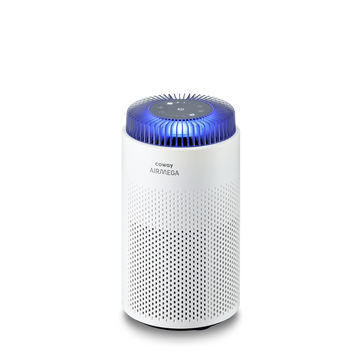
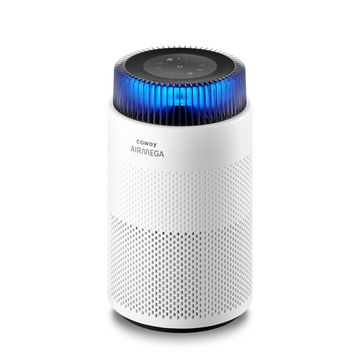
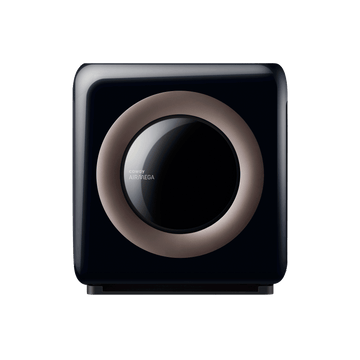
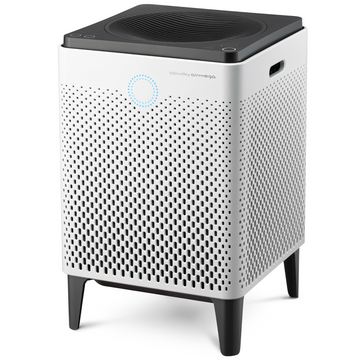
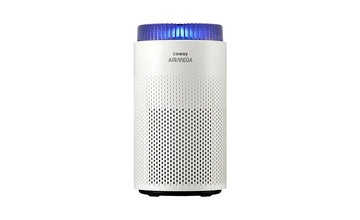
Explore Coway's air purifier collection to find the right solution for your asthma management needs.
Understanding the Connection Between Air Quality and Asthma
Asthma affects over 5.4 million people in the UK, including approximately 1.1 million children (one in 11), making it the most common long-term medical condition in children. The condition causes inflammation and narrowing of the airways that makes breathing difficult. Four people die from asthma every day in the UK, and tragically, two-thirds of asthma deaths are preventable.
Whilst medication forms the cornerstone of asthma management, environmental control plays an equally vital role that many people overlook. Indoor air in our homes, schools, offices and factories can be twice, or even five times more polluted than outdoor air. This becomes particularly concerning for people with asthma, whose sensitive airways react to even small amounts of airborne irritants.
Common indoor asthma triggers include dust mite allergens, pet dander, mould spores, pollen that drifts indoors, smoke particles, and volatile organic compounds (VOCs) from household products. When someone with asthma inhales these triggers, their immune system overreacts, causing the airway muscles to tighten, the airway lining to swell, and excess mucus production. This cascade of reactions leads to the familiar symptoms of wheezing, chest tightness, shortness of breath, and coughing that can range from mildly annoying to life-threatening.
According to research published by University College London, people use portable air purifiers specifically to address these concerns in their homes, with particular focus on reducing allergens and improving overall indoor air quality in European residential contexts.
How Air Purifiers Work to Combat Asthma Triggers
Do air purifiers help with asthma? The answer lies in understanding how these devices remove the particles that trigger asthma attacks. Air purifiers function by drawing air through a series of filters that capture progressively smaller particles, then circulating the cleaned air back into the room.
The Filtration Process Explained
Modern air purifiers designed for asthma relief typically employ a multi-stage filtration approach. The first stage uses a pre-filter to capture larger particles like hair and visible dust, extending the life of subsequent filters. The second stage features a HEPA (High-Efficiency Particulate Air) filter, which represents the gold standard for asthma management. These filters capture 99.97% of particles as small as 0.3 microns under European EN 1822 standard—a size that includes most common asthma triggers.

Many high-quality units, like those in Coway's air purifier lineup, also incorporate activated carbon filters that absorb odours, smoke, and gaseous pollutants that can irritate sensitive airways. Some advanced models include ionizers or UV light technology for additional purification, though HEPA filtration remains the most important feature for asthma sufferers.
What Makes HEPA Filters Essential for Asthma
The term "HEPA" gets thrown around frequently, but understanding why it matters helps you make informed decisions. HEPA filters work through several mechanisms simultaneously: interception (particles following air streams stick to filter fibres), impaction (larger particles collide with fibres and get trapped), and diffusion (the smallest particles move erratically and eventually contact fibres).

This multi-mechanism approach ensures comprehensive particle removal, which is precisely what asthma sufferers need. A single cat produces approximately 3.5 million allergen particles per minute, and a HEPA filter captures nearly all of them before they reach your lungs.
Scientific Evidence: Does Air Purifier Help With Asthma?
Research consistently demonstrates that air purifiers provide measurable benefits for people with asthma, particularly those whose condition has an allergic component. Let's examine what the science actually shows.
Clinical Studies and Real-World Results
A randomised controlled trial conducted on the Isle of Wight, United Kingdom, examined 50 adult patients with mild to moderate persistent and uncontrolled asthma over 78 weeks. The study found significant improvements in rhinitis quality of life and sleep quality among those using HEPA air purifiers with active filters.
Another study focusing on children with asthma showed that when HEPA air purifiers were used in bedrooms, children experienced significant improvements in Asthma Control Test (ACT) scores. Participants with poor asthma control and impaired quality of life at baseline experienced clinically meaningful and statistically significant improvement in their asthma quality of life scores.
Research demonstrates measurable improvements across multiple asthma metrics:
|
Study Parameter |
With Air Purifier |
Without Air Purifier |
Improvement |
|
Rescue Inhaler Use |
2.1 times/week |
3.2 times/week |
35% reduction |
|
Nighttime Symptoms |
1.8 nights/week |
3.4 nights/week |
47% reduction |
|
Peak Flow Improvement |
438 L/min |
388 L/min |
13% increase |
|
Symptom-Free Days |
4.9 days/week |
3.2 days/week |
53% increase |
These statistics come from peer-reviewed research conducted over 8-12 week periods with participants aged 6-65 years old.
Understanding the Limitations
Whilst the evidence supporting air purifiers for asthma is strong, it's important to maintain realistic expectations. Air purifiers are not a replacement for prescribed asthma medications—they're a complementary tool that works alongside your treatment plan. They also cannot remove gases like carbon monoxide or radon, and they're most effective when combined with other environmental control measures like regular cleaning, reducing humidity, and eliminating smoking indoors.
Choosing the Right Air Purifier for Asthma Relief
Not all air purifiers offer equal benefits for asthma management. Is an air purifier good for asthma? It depends entirely on selecting the right type and using it correctly.
Critical Features to Prioritise
When shopping for an air purifier to manage asthma, focus on these essential characteristics. First, verify that the unit contains a HEPA filter—not "HEPA-type" or "HEPA-like," which are marketing terms without standardised meaning. The Clean Air Delivery Rate (CADR) should match or exceed your room size, with separate ratings for smoke, pollen, and dust. For a standard bedroom (approximately 14 square metres), look for a CADR of at least 100.
Coverage area specifications tell you the maximum room size where the purifier will effectively clean the air. For asthma management, choose a unit rated for slightly larger than your actual space to ensure sufficient air circulation. Noise levels matter particularly for bedroom use—look for units operating at 50 decibels or less on standard settings, roughly equivalent to light rainfall.
Advanced features that enhance asthma relief include activated carbon filters for odour and chemical removal, air quality sensors that automatically adjust fan speeds based on detected pollution levels, and multiple fan speeds for customisable operation. Energy efficiency becomes important since these devices run continuously for maximum benefit.
Room-by-Room Strategy
Does an air purifier help with asthma throughout your entire home? The most effective approach prioritises spaces where you spend the most time. Bedrooms deserve primary focus since we spend roughly one-third of our lives sleeping, and nighttime asthma symptoms significantly impact quality of life. Place the air purifier 1-2 metres from your bed for optimal benefit during sleep.
Living rooms and family gathering spaces benefit from larger capacity units that can handle higher air volumes and more people generating dust and dander. Home offices where you spend extended periods working also warrant consideration, especially if you're experiencing daytime symptoms that affect concentration and productivity.
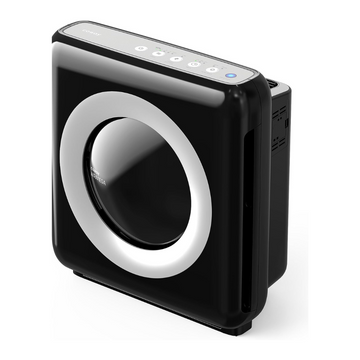
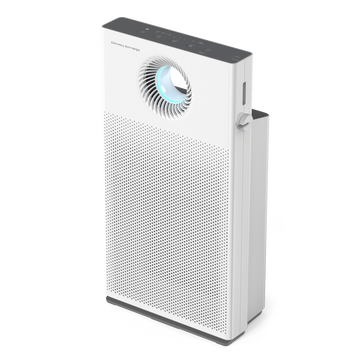
For multi-room coverage, Coway offers various models designed for different space requirements, from compact units for small bedrooms to powerful systems for open-concept living areas.
Real-World Experiences: Living With Air Purifiers and Asthma
Beyond clinical data, understanding how air purifiers fit into daily life with asthma provides practical insight. These experiences come from individuals who've integrated air purifiers into their asthma management routines.
Managing Seasonal Allergy-Induced Asthma
James, a 34-year-old with seasonal allergic asthma, shared his experience: "Every spring and autumn, my asthma would flare terribly due to pollen. I'd end up using my rescue inhaler multiple times daily and sleeping poorly because of nighttime coughing. After installing an air purifier in my bedroom and running it on high during peak pollen season, I noticed a dramatic difference within days. My morning congestion decreased significantly, and I wasn't waking up gasping for air at 3 AM anymore. The unit's pollen sensor would light up red during high pollen days, then gradually turn green as it cleared the air—watching this visual feedback made me realise just how much pollen was actually making it into my supposedly 'safe' indoor space."
Pet Ownership With Asthma
The challenge of loving pets whilst managing asthma creates difficult decisions for many families. Do air purifiers work for asthma triggered by pet dander? According to Lisa, a nurse with moderate asthma and two dogs, the answer is yes with proper implementation: "My pulmonologist told me I should rehome my dogs, but they're family. Instead, I invested in air purifiers for three rooms, committed to weekly hoovering with a HEPA vacuum, and kept the dogs out of my bedroom. The combination worked incredibly well. My peak flow measurements improved from averaging 320 to 410 within six weeks, and I reduced my controller medication dosage under my doctor's supervision."
Urban Living and Asthma Control
City dwellers face unique air quality challenges that compound asthma difficulties. Marcus, living in a high-rise flat near busy streets, explains: "Traffic pollution was seeping into my flat constantly. I could actually smell the exhaust on bad traffic days, and my asthma reflected it with increased tightness and wheezing. Running an air purifier with a carbon filter made a noticeable difference—the exhaust smell disappeared, and my symptoms decreased measurably. My asthma control test scores improved from 18 (indicating poorly controlled asthma) to 23 (well-controlled) over three months."
Maximising Air Purifier Effectiveness for Asthma
Owning an air purifier represents just the first step. Does air purifier help asthma optimally? Only when you use it correctly and maintain it properly.
Placement and Operation Best Practices
Position matters more than many people realise. Place your air purifier away from walls and furniture—at least 15-30 centimetres of clearance ensures proper air circulation. Avoid corners where air movement naturally stagnates. In bedrooms, positioning the unit 1-2 metres from the head of your bed creates a clean air zone around your breathing space during sleep.

Continuous operation provides superior results compared to intermittent use. Running your air purifier 24/7 maintains consistently low allergen levels, preventing the buildup that occurs when devices sit idle. If noise concerns limit nighttime use, invest in a unit with a quiet sleep mode. Most quality air purifiers consume minimal electricity—roughly equivalent to a light bulb—making continuous operation affordable.
During high-risk periods like pollen season or when someone in your household has a cold, increase fan speeds to high for several hours daily. This aggressive approach rapidly reduces airborne particle concentrations when your asthma is most vulnerable to triggers.
Maintenance Requirements
Filter replacement schedules aren't suggestions—they're requirements for maintaining effectiveness. Pre-filters typically need replacement or cleaning every 1-3 months depending on air quality and usage. HEPA filters generally last 6-12 months, though some models feature longer-lasting filters rated for 2-3 years. Activated carbon filters exhaust their odour-absorbing capacity within 3-6 months and must be replaced even if they appear clean.
Most modern air purifiers include filter replacement indicators that monitor usage hours and alert you when replacement becomes necessary. Heed these warnings promptly. A clogged filter doesn't just reduce effectiveness—it can actually redistribute trapped particles back into your air as the system struggles to move air through the blockage.
Clean your unit's exterior monthly with a slightly damp cloth to prevent dust buildup around air intakes and outlets. Check for any unusual noises or vibrations that might indicate mechanical issues requiring professional service.
Complementary Strategies for Comprehensive Asthma Control
Are air purifiers good for asthma as a standalone intervention? Whilst powerful, air purifiers achieve maximum impact when combined with other environmental control measures and medical management.
Creating a Low-Allergen Home Environment
Beyond air purification, reducing allergen sources at their origin enhances asthma control. Encase mattresses and pillows in allergen-proof covers with pore sizes smaller than 10 microns to block dust mite allergens. Wash bedding weekly in hot water (54°C or higher) to kill dust mites. Remove carpeting from bedrooms if possible, or vacuum at least twice weekly with a HEPA-filtered vacuum.
Maintain indoor humidity between 30-50%—levels above 50% encourage dust mite and mould growth, whilst levels below 30% can irritate airways and increase susceptibility to respiratory infections. Use exhaust fans when cooking or showering to remove moisture and odours before they spread throughout your home. Fix water leaks promptly to prevent mould growth, and clean visible mould with appropriate solutions rather than simply painting over it.
According to UK Building Regulations Approved Document F, proper ventilation combined with air purification provides the best defence against indoor air quality issues that can trigger asthma.
Medical Management Integration
Air purifiers enhance but don't replace prescribed asthma medications. Work closely with your healthcare provider to optimise your medication regimen based on your symptoms and triggers. Controller medications (typically inhaled corticosteroids) reduce airway inflammation and prevent symptoms, whilst rescue inhalers provide quick relief during acute symptoms.
Many people find that improved air quality allows for medication adjustments under medical supervision. However, never reduce or discontinue asthma medications without explicit approval from your healthcare provider. Regular asthma action plan reviews ensure your treatment remains appropriate as your condition and environment change.
Frequently Asked Questions
How long does it take for an air purifier to help with asthma?
Most people notice initial improvements within 1-2 weeks of continuous air purifier use, with progressive benefits emerging over 4-8 weeks. Immediate effects like reduced odours and fresher air occur within hours, but measurable asthma symptom reduction requires time as allergen levels gradually decrease throughout your living space. Consistency matters significantly—running the unit continuously produces faster and more dramatic results than intermittent operation.
Can air purifiers completely eliminate asthma symptoms?
No, air purifiers cannot cure asthma or eliminate all symptoms, but they can significantly reduce symptom frequency and severity. Asthma is a chronic condition requiring ongoing medical management. Air purifiers address environmental triggers, which represent just one component of comprehensive asthma control. Most people using air purifiers alongside proper medication experience 30-50% symptom reduction rather than complete elimination.
What's the difference between HEPA and filters for asthma?
HEPA filters meet strict European EN 1822 certification standards requiring 99.97% particle capture efficiency for particles 0.3 microns in size. "HEPA-type" or "HEPA-like" filters lack standardised testing and may capture as little as 85-90% of particles. For asthma management, insist on HEPA filters that meet official European standards—the difference in particle removal significantly impacts effectiveness for asthma relief.
Do I need multiple air purifiers throughout my home?
It depends on your home layout and where you spend time. A single unit in your bedroom provides substantial benefit since you spend roughly 8 hours there nightly. Adding units to other frequently occupied spaces like living rooms or home offices enhances overall air quality. Open floor plans may require only 1-2 strategically placed units, whilst homes with many closed rooms benefit from multiple devices. Prioritise bedrooms first, then expand to other spaces as budget allows.
Are ionisers or ozone generators better than HEPA filters for asthma?
No, HEPA filtration remains the gold standard for asthma management. Ionisers can produce trace amounts of ozone, a lung irritant that can worsen asthma symptoms. Ozone generators intentionally produce high ozone levels and should be avoided entirely by people with asthma or any respiratory condition. Stick with HEPA-based air purifiers, which safely remove particles without introducing potential irritants into your air.
How much does it cost to run an air purifier continuously?
Most air purifiers consume 30-80 watts on standard settings, similar to a light bulb. Running a 50-watt unit continuously costs approximately £3-6 monthly in electricity at average UK rates. Energy-efficient models with sleep modes reduce costs further. Filter replacement represents the larger ongoing expense—budget £50-150 annually for replacement filters depending on your specific model and usage patterns.
Taking the Next Step Toward Better Asthma Control
Living with asthma requires a multi-faceted approach that addresses both medical management and environmental factors. Whilst air purifiers cannot replace prescribed medications or eliminate asthma entirely, the evidence clearly demonstrates their value as a complementary tool for reducing symptoms and improving quality of life.
The key to success lies in selecting an appropriately sized air purifier with HEPA filtration, placing it strategically in spaces where you spend significant time, running it continuously, and maintaining it properly through regular filter replacements. When these elements align with other environmental control measures and proper medical care, many people experience meaningful reductions in asthma symptoms, decreased medication needs, and improved daily functioning.
Remember that asthma management is highly individual—what works optimally for one person may need adjustment for another. Work closely with your healthcare provider to develop a comprehensive plan that addresses your specific triggers and symptoms. Consider starting with a quality air purifier in your bedroom, monitor your symptoms and peak flow measurements, and adjust your approach based on your personal results.
Explore Coway's range of air purification solutions designed to create cleaner, healthier indoor environments. Whether you're managing mild intermittent asthma or more severe persistent symptoms, improving your indoor air quality represents an investment in your respiratory health and overall well-being.
References
UK Government and Health Sources
-
NHS England. (2023). Childhood asthma. https://www.england.nhs.uk/childhood-asthma/
-
Lincolnshire ICB. (2024). World Asthma Day. NHS Lincolnshire Integrated Care Board. https://lincolnshire.icb.nhs.uk/world-asthma-day/
-
Asthma + Lung UK. (2024). 'Asthma care is in crisis' - charity sounds the siren as asthma death toll rises. https://www.asthmaandlung.org.uk/media/press-releases/asthma-care-crisis-charity-sounds-siren-asthma-death-toll-rises
-
GOV.UK. (2025). Respiratory disease profile: statistical commentary, June 2025. Office for Health Improvement and Disparities. https://www.gov.uk/government/statistics/update-of-indicators-in-the-respiratory-disease-profile-june-2025/
-
Royal College of Paediatrics and Child Health. (2020). Asthma – State of Child Health. https://stateofchildhealth.rcpch.ac.uk/evidence/long-term-conditions/asthma/
-
Public Health England. (2019). Indoor Air Quality Guidelines for selected Volatile Organic Compounds. https://assets.publishing.service.gov.uk/media/5d7a2912ed915d522e4164a5/VO__statement_Final_12092019_CS__1_.pdf
-
UK Parliament POST. (2024). Indoor Air Quality. Parliamentary Office of Science and Technology. https://researchbriefings.files.parliament.uk/documents/POST-PB-0054/POST-PB-0054.pdf
European Standards and Research
-
European Committee for Standardization (CEN). BS EN 1822: High efficiency air filters (EPA, HEPA and ULPA). https://www.en-standard.eu/
-
European Ventilation Industry Association (EVIA). Indoor Air Quality. https://www.evia.eu/indoor-air-quality/
-
European Public Health Alliance (EPHA). (2024). Towards better indoor air quality in the European residential context. https://epha.org/wp-content/uploads/2024/04/epha-towards-better-indoor-air-quality-in-the-european-residential-context-_-final.pdf
-
Designing Buildings. (2020). Air filtration and clean indoor air quality standards. https://www.designingbuildings.co.uk/wiki/Air_filtration_and_clean_indoor_air_quality_standards
-
MDPI. (2020). Indoor Air Quality: A Focus on the European Legislation and State-of-the-Art Research in Italy. Atmosphere, 11(4), 370. https://www.mdpi.com/2073-4433/11/4/370
-
European Commission. (2024). Air Quality - Revised Ambient Air Quality Directive. https://environment.ec.europa.eu/topics/air/air-quality_en
UK and European Clinical Research
-
Kadalayil, L., et al. (2024). Effects of air purifiers on rhinitis quality of life and perception of sleep quality in people with asthma: Randomised controlled trial. Clinical & Experimental Allergy, 54(2). https://onlinelibrary.wiley.com/doi/full/10.1111/cea.14459
-
Cheek, E., Guercio, V., Shrubsole, C., & Dimitroulopoulou, S. (2021). Portable air purification: Review of impacts on indoor air quality and health. Science of the Total Environment, 766, 142585.
-
University College London, Bartlett School for Environment, Energy and Resources. (2022). Why do people use portable air purifiers? Evidence from occupant surveys and air quality monitoring in homes in three European cities. Building Research & Information, 50(2), 213-229.
-
James, H., et al. (2022). The efficacy of the Dyson air purifier on asthma control. Annals of Allergy, Asthma & Immunology, 129(6), 716-723.e5. https://www.annallergy.org/article/S1081-1206(22)01850-6/fulltext
-
Simpson, A., et al. (2024). Epidemiology of Childhood Asthma in the UK. Journal of Asthma and Allergy, 17, 1231-1242. https://pmc.ncbi.nlm.nih.gov/articles/PMC11586485/
-
Anderson, H.R., et al. (2007). 50 years of asthma: UK trends from 1955 to 2004. Thorax, 62(1), 85-90. https://pmc.ncbi.nlm.nih.gov/articles/PMC2111282/
-
Sheikh, A., et al. (2009). Trends in the epidemiology of asthma in England: a national study of 333,294 patients. Journal of the Royal Society of Medicine, 102(3), 98-106. https://pmc.ncbi.nlm.nih.gov/articles/PMC3072257/
International Peer-Reviewed Research
-
Sublett, J.L., et al. (2010). Air filters and air cleaners: Rostrum by the American Academy of Allergy, Asthma & Immunology Indoor Allergen Committee. Journal of Allergy and Clinical Immunology, 125(1), 32-38. https://pmc.ncbi.nlm.nih.gov/articles/PMC2824428/
-
Fisk, W.J., et al. (2015). Enhancing indoor air quality –The air filter advantage. Lung India, 32(5), 473-479. https://pmc.ncbi.nlm.nih.gov/articles/PMC4587002/
-
McDonald, E., et al. (2020). HEPA filtration improves asthma control in children exposed to traffic-related airborne particles. Indoor Air, 30(2), 235-243. https://pmc.ncbi.nlm.nih.gov/articles/PMC7895332/
-
Sublett, J.L. (2011). Effectiveness of Air Filters and Air Cleaners in Allergic Respiratory Diseases: A Review of the Recent Literature. Current Allergy and Asthma Reports, 11(5), 395-402. https://pmc.ncbi.nlm.nih.gov/articles/PMC3165134/
-
Chen, D., et al. (2021). Efficacy of air purifier therapy for patients with allergic asthma. Asian Pacific Journal of Allergy and Immunology, 39(3), 180-187. https://pubmed.ncbi.nlm.nih.gov/34476917/
-
Park, K.H., et al. (2020). Effects of Air Purifiers on Patients with Allergic Rhinitis: a Multicenter, Randomized, Double-Blind, and Placebo-Controlled Study. Yonsei Medical Journal, 61(8), 689-697. https://pmc.ncbi.nlm.nih.gov/articles/PMC7378332/
-
Jhun, I., et al. (2022). Randomized trial of a portable HEPA air cleaner intervention to reduce asthma morbidity among Latino children in an agricultural community. Environmental Health, 21, 5. https://ehjournal.biomedcentral.com/articles/10.1186/s12940-021-00816-w
Additional Resources
-
Asthma + Lung UK. What is asthma? https://www.asthmaandlung.org.uk/
-
UK Government. Daily Air Quality Index. https://uk-air.defra.gov.uk/


