
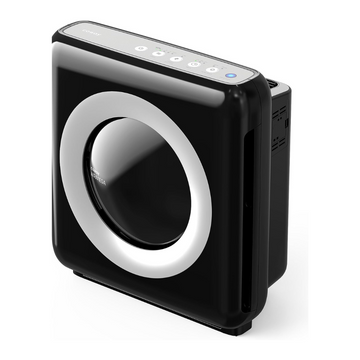
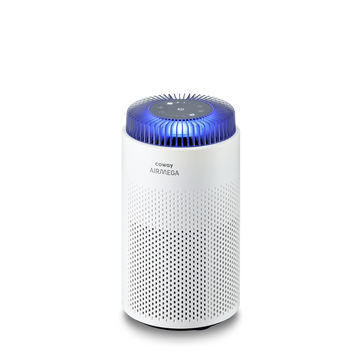
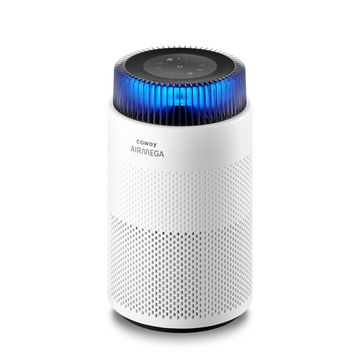
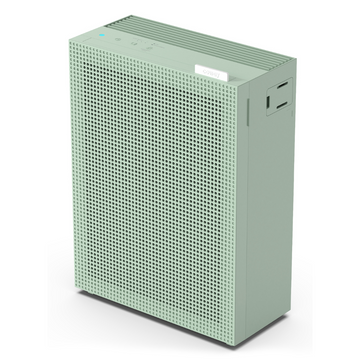



If you've been researching air purifiers, you've likely encountered the term "HEPA filter" repeatedly. But what exactly is a HEPA filter, and why has it become the gold standard in air purification technology? This comprehensive guide explores everything you need to know about these remarkable filters and how they work to improve indoor air quality.
Understanding HEPA Filters: The Basics
HEPA stands for High-Efficiency Particulate Air. A HEPA filter is a type of mechanical air filter that works by forcing air through a fine mesh designed to trap harmful particles such as pollen, pet dander, dust mites, and tobacco smoke.

To qualify as a HEPA filter, the filter must meet strict standards set by regulatory bodies. According to European standards EN 1822 [1], a HEPA filter must capture at least 99.97% of particles that are 0.3 microns in diameter. This specific size is known as the Most Penetrating Particle Size (MPPS), representing the most difficult particle size to capture.
Why 0.3 Microns Matters
You might wonder why the standard focuses on 0.3 microns specifically. This particle size is particularly challenging to filter because it's small enough to avoid being trapped by the filter's fibres through direct impact, yet large enough to resist being captured by diffusion. Particles larger and smaller than 0.3 microns are actually easier to capture, making this the critical benchmark for filtration efficiency.
What Does a HEPA Filter Do?
HEPA filters serve as a powerful barrier against airborne contaminants that can affect your health and comfort. Here's what they accomplish:
Removes Allergens
HEPA filters excel at capturing common allergens including pollen, mould spores, and dust mite debris. According to Allergy UK [2], the national charity for people with allergies, HEPA filtration can significantly reduce indoor allergen levels. For people with allergies or asthma, this can mean significant relief from symptoms such as sneezing, congestion, and respiratory irritation.
Captures Fine Particles
Beyond visible dust, HEPA filters trap microscopic particles that you cannot see but that can penetrate deep into your lungs. The UK Health Security Agency [3] recognises that reducing exposure to particulate matter is important for respiratory health. This includes combustion particles from cooking, vehicle exhaust that enters your home, and other fine particulate matter [12].
Reduces Airborne Pathogens
Many bacteria and some virus particles fall within the size range that HEPA filters can capture effectively. Research has demonstrated the effectiveness of HEPA filtration in reducing airborne pathogen concentrations [4]. While not a replacement for other hygiene measures, HEPA filtration can help reduce the concentration of certain airborne pathogens in indoor environments.
Eliminates Pet Dander
Pet owners particularly benefit from HEPA filtration, as these filters capture the tiny flakes of skin that pets shed, which are a common trigger for allergic reactions [2].
How Does a HEPA Filter Work?
Understanding how HEPA filters work requires looking at the sophisticated mechanisms that make them so effective. Unlike a simple sieve that only catches particles larger than its holes, HEPA filters use multiple capture mechanisms simultaneously.
The Three Capture Mechanisms
Interception: As air flows through the filter, particles following the air stream come within one radius of a fibre and adhere to it. This mechanism is particularly effective for medium-sized particles.
Impaction: Larger particles cannot follow the curved contours of the airstream as it navigates around filter fibres. Instead, these particles collide directly with the fibres and become embedded in the filter material.
Diffusion: The smallest particles (below 0.1 microns) don't travel in straight lines. Instead, they move erratically due to collisions with gas molecules, a phenomenon called Brownian motion. This random movement increases the likelihood that these tiny particles will eventually collide with and stick to a fibre.
The Filter Construction
HEPA filters are typically made from randomly arranged fibres, often composed of fibreglass or synthetic materials. These fibres are arranged in a dense mat that creates a complex labyrinth for particles to navigate. The filter is usually pleated to increase the surface area within a compact space, allowing for greater airflow whilst maintaining high filtration efficiency [1].
HEPA Filter Usage: Where and When to Use Them
HEPA filters have applications across various settings, from homes to hospitals. Understanding proper usage ensures you get the maximum benefit from this technology.
Residential Applications
In homes, HEPA filters are most commonly found in:
-
Standalone air purifiers - Portable units designed for specific rooms or areas
-
Vacuum cleaners - Preventing captured particles from being released back into the air
-
HVAC systems - Whole-home filtration when compatible with your heating and cooling system
Optimal Room Placement
For air purifiers with HEPA filters, placement matters significantly. Position your unit where air can circulate freely around it, avoiding corners or tight spaces. Place the purifier in rooms where you spend the most time, such as bedrooms or living areas, for maximum benefit [11].
When to Run Your HEPA Filter
Many people wonder whether to run their air purifier continuously or only at certain times. For optimal air quality, continuous operation is ideal, particularly if you have allergies or respiratory sensitivities. According to Asthma + Lung UK [5], the UK's leading lung health charity, maintaining consistent indoor air quality is important for people with respiratory conditions. Most modern air purifiers have energy-efficient motors designed for extended use.
However, you may wish to increase the fan speed during specific times:
-
When cooking, to capture particles and odours quickly [14]
-
During high pollen seasons, especially when opening windows (the Met Office [6] provides daily pollen forecasts)
-
After cleaning, when dust has been disturbed
-
When someone in your household is ill
Maintenance Requirements
HEPA filters require regular maintenance to function effectively:
Filter Replacement Most HEPA filters need replacing every 6 to 12 months, depending on usage and air quality. Some advanced purifiers, like those from Coway, include filter replacement indicators to alert you when it's time for a change.
Pre-filter Cleaning Many air purifiers include a washable pre-filter that captures larger particles before they reach the HEPA filter. Cleaning this every few weeks can extend the life of your HEPA filter and maintain optimal performance.
Unit Cleaning Wipe down the exterior of your air purifier regularly to prevent dust accumulation around air intakes and outlets.
Beyond Standard HEPA: Advanced Filtration Technology
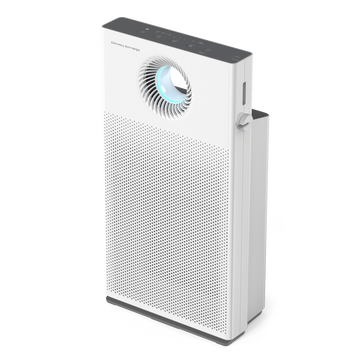
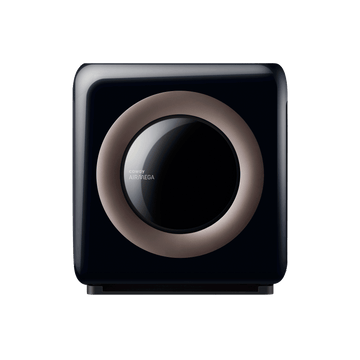
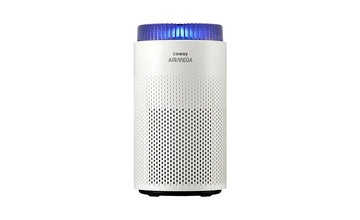
Whilst standard HEPA filters are highly effective, some manufacturers have developed even more advanced filtration systems. Coway air purifiers, for instance, can capture 99.999% of particles measuring 0.01 microns, going significantly beyond the standard HEPA specification. This enhanced filtration capability means even smaller particles, including certain viruses and ultra-fine pollution particles, can be effectively removed from your indoor air.
Multi-stage Filtration Systems
The most effective air purifiers combine HEPA filtration with additional stages:
-
Pre-filters capture large particles like hair and dust
-
Activated carbon filters absorb odours and volatile organic compounds (VOCs) [15]
-
HEPA filters trap fine particles and allergens
-
Ionizers or UV lights (in some models) provide additional purification
This comprehensive approach addresses a broader range of air quality concerns than HEPA filtration alone [11].

Choosing the Right HEPA Filter for Your Needs
Not all HEPA filters deliver the same performance. When selecting an air purifier, consider these factors:
Room Size Coverage
Air purifiers are rated for specific room sizes. Choose a unit that matches or slightly exceeds your room dimensions. The Clean Air Delivery Rate (CADR) indicates how quickly the purifier can clean the air in a given space.

Filter Type and Quality
Look for products that use genuine HEPA filters rather than "HEPA-type" or "HEPA-like" filters, which may not meet the same stringent standards [1]. Some filters are washable, whilst others require replacement.
Noise Levels
If you plan to use your air purifier in a bedroom, noise output becomes important. Check the decibel rating at different fan speeds to ensure comfortable operation.
Energy Efficiency
Since air purifiers work best when run continuously, energy consumption matters. Look for units with Energy Star certification or energy-saving modes that align with UK energy efficiency standards [7].
Additional Features
Modern air purifiers often include air quality sensors, automatic mode adjustments, filter replacement indicators, and smart home connectivity. Determine which features align with your preferences and budget.
Common Misconceptions About HEPA Filters
Several myths surround HEPA filters that deserve clarification:
Myth: HEPA Filters Remove All Pollutants
Whilst highly effective against particulate matter, HEPA filters don't capture gases or odours. For comprehensive air purification, look for units that combine HEPA filtration with activated carbon [15].
Myth: All Air Purifiers Use HEPA Filters
Many air purifiers use different technologies, including electrostatic precipitation, ionization, or UV light. HEPA filtration remains the most thoroughly tested and reliable method for particle removal.
Myth: You Can Clean and Reuse HEPA Filters Indefinitely
Most HEPA filters are not washable. Attempting to clean them can damage the delicate fibre structure and reduce effectiveness. Follow manufacturer guidelines for replacement.
Myth: A Higher CADR Always Means Better Filtration
CADR measures airflow volume, not filtration efficiency. A purifier can move large volumes of air whilst using a poor-quality filter. Balance CADR with verified filtration standards.
The Health Benefits of HEPA Filtration
The widespread adoption of HEPA filters in homes reflects their significant health benefits:
Respiratory Health
By removing airborne irritants, HEPA filters can reduce the frequency and severity of asthma attacks, allergic rhinitis, and other respiratory conditions. The British Thoracic Society [8], which publishes guidelines for respiratory care in the UK, recognises environmental control measures including air filtration as part of comprehensive asthma management. Studies have shown measurable improvements in symptoms when HEPA purifiers are used consistently in bedrooms [5].
Sleep Quality
Cleaner air often translates to better sleep, particularly for those whose rest is disrupted by congestion, coughing, or other allergy symptoms. The Royal College of Physicians [9] has highlighted the connection between indoor air quality and overall health outcomes. Many users report noticeable improvements in sleep quality after introducing HEPA filtration.
Long-term Wellbeing
Reducing exposure to fine particulate matter has long-term health implications. Research from the European Environment Agency [10] links prolonged exposure to airborne particles with cardiovascular issues, cognitive decline, and other chronic conditions. HEPA filtration provides a practical method to minimize this exposure in your living space.
People in the UK spend approximately 80-90% of their time indoors [13], where air can become five times more polluted than outside. This makes indoor air quality management increasingly important for long-term health and wellbeing [14].
Making the Most of Your HEPA Filter
To maximise the benefits of HEPA filtration:
Create a clean air routine. Run your purifier consistently, not just when you remember or notice poor air quality. Set it and forget it for best results.
Combine with source control. HEPA filters work best when paired with efforts to reduce pollution sources. Regular cleaning, proper ventilation, and limiting indoor smoking all complement filtration efforts. NICE guidance on indoor air quality at home [11] recommends a combination of approaches including proper ventilation and source control measures. The UK Health Security Agency [12] advises ventilating whilst cooking and using fireplaces to remove pollutants like carbon monoxide or nitrogen dioxide.
Monitor and maintain. Pay attention to filter replacement indicators and don't wait until performance noticeably declines. Filters gradually lose efficiency over time.
Position strategically. Place purifiers where they'll have the greatest impact on the air you breathe most frequently, ensuring unrestricted airflow around the unit.
Conclusion
HEPA filters represent a proven, effective technology for improving indoor air quality. By understanding what a HEPA filter is, how it works, and how to use it properly, you can make informed decisions about air purification in your home. Whether you're managing allergies, concerned about indoor pollution, or simply want to breathe cleaner air, HEPA filtration offers a reliable solution backed by decades of scientific research and real-world application.
For those seeking advanced air purification, modern systems like Coway air purifiers take HEPA technology even further, capturing particles as small as 0.01 microns with 99.999% efficiency. This enhanced capability ensures that even the most challenging airborne contaminants are effectively removed, providing you and your family with the cleanest possible indoor air.
Investing in quality HEPA filtration is an investment in your health and comfort, delivering benefits that you'll notice day after day, season after season.
References
[1] British Standards Institution. (2019). BS EN 1822-1:2019 - High efficiency air filters (EPA, HEPA and ULPA). Classification, performance testing, marking. Available at: https://www.en-standard.eu/bs-en-1822-1-2019-high-efficiency-air-filters-epa-hepa-and-ulpa-classification-performance-testing-marking/
[2] Allergy UK. Indoor Allergens and Air Quality. Available at: https://www.allergyuk.org/
[3] UK Health Security Agency. Air Quality and Health. Available at: https://www.gov.uk/government/organisations/uk-health-security-agency
[4] European Respiratory Journal. Research on Air Filtration and Respiratory Health. Available at: https://erj.ersjournals.com/
[5] Asthma + Lung UK. Indoor Air Quality and Respiratory Health. Available at: https://www.asthmaandlung.org.uk/
[6] Met Office. (2025). UK Pollen Forecast. Available at: https://www.metoffice.gov.uk/weather/warnings-and-advice/seasonal-advice/health-wellbeing/pollen-forecast
[7] UK Government. (2025). Energy Labelling and Ecodesign. Available at: https://www.gov.uk/guidance/energy-labelling-and-ecodesign
[8] British Thoracic Society. Guidelines for Asthma Management. Available at: https://www.brit-thoracic.org.uk/
[9] Royal College of Physicians. Indoor Air Quality and Health. Available at: https://www.rcplondon.ac.uk/
[10] European Environment Agency. Health Impacts of Air Pollution. Available at: https://www.eea.europa.eu/themes/air/health-impacts-of-air-pollution
[11] National Institute for Health and Care Excellence. (2020). Indoor air quality at home (NG149). Available at: https://www.nice.org.uk/guidance/ng149
[12] UK Health Security Agency. (2023). How to improve air quality in your home while making it more energy efficient. Available at: https://ukhsa.blog.gov.uk/2023/12/01/how-to-improve-air-quality-in-your-home-while-making-it-more-energy-efficient/
[13] Parliamentary Office of Science and Technology. (2023). Indoor Air Quality, POSTbrief 54. Available at: https://post.parliament.uk/research-briefings/post-pb-0054/
[14] Department for Environment, Food & Rural Affairs. (2022). Indoor Air Quality Report. Available at: https://uk-air.defra.gov.uk/assets/documents/reports/cat09/2211011000_15062022_Indoor_Air_Quality_Report_Final.pdf
[15] UK Government. (2019). Air quality: UK guidelines for volatile organic compounds in indoor spaces. Available at: https://www.gov.uk/government/publications/air-quality-uk-guidelines-for-volatile-organic-compounds-in-indoor-spaces


