



Knowing when to replace your HEPA filter is essential for maintaining clean, healthy indoor air. A worn-out filter can't trap pollutants effectively, allowing allergens, dust, and other particles back into your home. Understanding HEPA filter replacement frequency ensures your air purifier continues protecting your family's health.
How Long Do HEPA Filters Last?
Most HEPA filters last between 12 to 18 months under normal use, though this varies based on several factors. The HEPA filter lifespan depends on your air quality, usage patterns, and the specific purifier model.

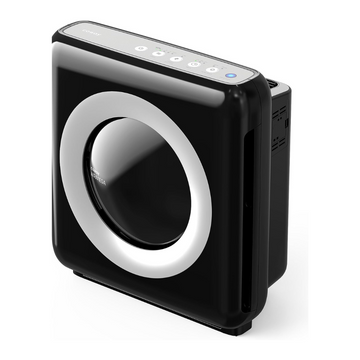
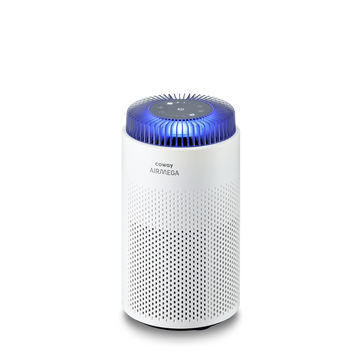
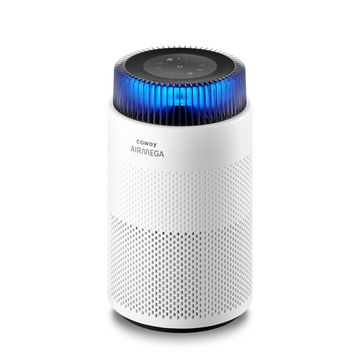
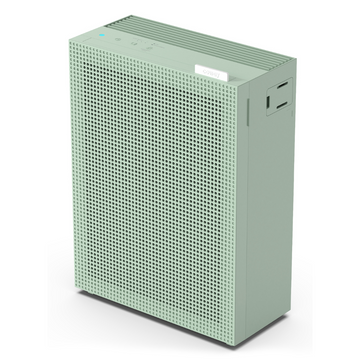
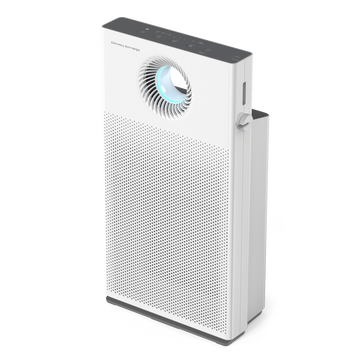
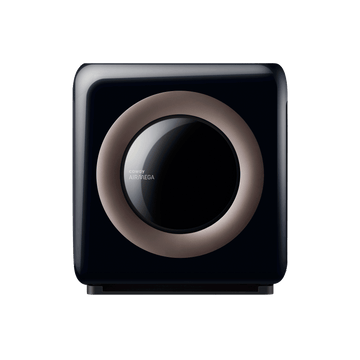
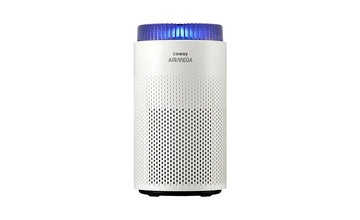
Premium air purifiers like Coway models feature advanced filtration systems capable of capturing 99.999% of particles measuring 0.01 microns—far smaller than standard specifications. This superior performance means the filter works harder in polluted environments, potentially affecting replacement timing.
Factors Affecting Filter Longevity
Air quality conditions play the largest role in determining how long HEPA filters last:
-
Homes with pets typically need replacements every 6-12 months due to dander and fur
-
Urban environments with higher pollution may require changes every 8-12 months
-
Rural or cleaner environments might extend filter life to 18-24 months
-
Smoking indoors significantly reduces filter lifespan to 6 months or less
Usage intensity directly impacts filter degradation. Running your purifier continuously in a large, open-plan space differs vastly from occasional use in a small bedroom. High-speed settings also process more air—and more particles—than low-speed operation.
Seasonal variations create fluctuating demands on your filter. Spring pollen season, winter heating systems circulating dust, and summer humidity all affect how quickly filters become saturated with contaminants.
How Often to Change HEPA Filter in Air Purifier
The standard recommendation is replacing HEPA filters every 12 months, but this timeline serves only as a baseline. Your specific circumstances determine the actual replacement schedule.
Manufacturer Guidelines vs Real-World Conditions
Air purifier manufacturers base their recommendations on average household conditions. Coway air purifiers, for example, provide clear guidance through filter replacement indicators that monitor actual usage and air quality rather than simply counting days.
Follow manufacturer timelines when:
-
You live in a relatively clean environment
-
The purifier runs intermittently rather than continuously
-
No one in the household has allergies or respiratory conditions
-
You don't have pets
Accelerate replacement schedules if:
-
Multiple pets live indoors
-
Someone has asthma, allergies, or other respiratory sensitivities
-
You live near busy roads, industrial areas, or construction sites
-
You've recently renovated your home
-
Wildfire smoke or other severe air quality events occur
Signs Your Filter Needs Immediate Replacement
Don't wait for the scheduled replacement date if you notice these warning signs:
Visible filter deterioration includes discolouration, dark grey or black surfaces, or accumulated debris visible through the purifier's housing. A heavily soiled filter indicates it's reached capacity.
Reduced airflow means your purifier struggles to circulate air effectively. If you feel weak airflow from the outlet even on high settings, the clogged filter creates resistance.
Persistent odours that don't clear after running the purifier suggest the filter can no longer trap odour-causing particles. This commonly occurs with cooking smells, pet odours, or smoke.
Allergy symptom increases in household members who previously found relief from the air purifier indicate declining filter performance. If sneezing, congestion, or irritation returns despite regular purifier use, the filter likely needs replacement.
Unusual noises from the purifier—particularly increased motor strain or whistling sounds—can signal airflow obstruction from a saturated filter.
When to Replace HEPA Filter: Creating Your Schedule
Establishing a HEPA filter replacement frequency tailored to your home requires observation and adjustment. Start with manufacturer recommendations, then refine based on performance.
Monthly Filter Checks
Inspect your filter monthly during the first year to understand how quickly it accumulates particles in your specific environment. This baseline helps you predict future replacement needs.
Visual inspection process:
-
Turn off and unplug the air purifier
-
Remove the filter according to manufacturer instructions
-
Examine the filter surface under good lighting
-
Note any discolouration, debris accumulation, or damage
-
Check for unusual odours from the filter itself
-
Reinstall the filter if it appears acceptable
Building Your Replacement Calendar
Create a personalised maintenance schedule based on your observations:
Standard household (no pets, moderate air quality):
-
Check filter monthly
-
Replace every 12-15 months
-
Vacuum pre-filters every 2-3 months
Pet-owning household (one or more indoor pets):
-
Check filter every 2-3 weeks
-
Replace every 8-12 months
-
Vacuum pre-filters monthly
High-pollution environment (urban, near roads):
-
Check filter every 2 weeks
-
Replace every 6-12 months
-
Vacuum pre-filters every 3-4 weeks
Allergy-sensitive household (asthma, respiratory conditions):
-
Check filter every 2 weeks
-
Replace every 10-12 months minimum
-
Consider earlier replacement if symptoms increase
-
Vacuum pre-filters monthly
Maximising Your HEPA Filter Lifespan
Whilst you can't extend filters indefinitely, proper maintenance optimises their effective operating period and ensures consistent performance.
Pre-Filter Maintenance
Most quality air purifiers include washable pre-filters that capture larger particles before they reach the HEPA filter. Regular pre-filter cleaning significantly extends HEPA filter life.
Pre-filter maintenance schedule:
-
Vacuum pre-filters every 2-4 weeks
-
Wash pre-filters monthly (if washable)
-
Allow complete drying before reinstalling
-
Never wash HEPA filters—this damages their structure
Optimal Purifier Placement
Positioning your air purifier correctly reduces unnecessary strain on filters:
-
Place at least 15-30 cm from walls for proper airflow
-
Avoid corners where air circulation is limited
-
Keep away from curtains or furniture that obstruct intake
-
Position in rooms where you spend most time
-
Don't place near windows that frequently open, introducing more outdoor pollutants
Source Control Strategies
Reducing indoor air pollution at its source decreases filter burden:
Implement these practices:
-
Use doormats and remove shoes indoors to limit tracked-in particles
-
Maintain HVAC systems with regular duct cleaning
-
Control humidity levels (30-50%) to prevent mould growth
-
Limit indoor smoking or eliminate it entirely
-
Use kitchen extraction fans when cooking
-
Groom pets regularly to reduce dander
-
Choose low-VOC paints, furnishings, and cleaning products
-
Ensure proper ventilation during and after renovations
Strategic Operation
How you run your air purifier affects filter longevity:
Smart usage patterns:
-
Run continuously on low settings rather than intermittently on high
-
Increase speed during high-pollution events (cooking, cleaning)
-
Use timers or smart features to adjust operation based on occupancy
-
Reduce speed overnight if air quality permits
-
Monitor and respond to air quality indicators if available
Special Circumstances Affecting Replacement
Certain situations demand adjusted replacement schedules beyond standard recommendations.
Post-Construction or Renovation
Building work generates enormous amounts of fine dust and particulates. After any renovation:
-
Run your air purifier continuously during and after work
-
Expect to replace filters 30-50% earlier than normal
-
Consider using a dedicated construction air scrubber during major work
-
Allow 2-3 months of continuous operation after completion before resuming normal schedules
Wildfire Smoke Events
Smoke from wildfires contains ultrafine particles and chemicals that rapidly saturate filters:
-
Replace filters immediately after extended smoke exposure
-
Run purifiers continuously during smoke events
-
Don't wait for scheduled replacement if smoke was severe
-
Monitor filter condition weekly following such events
Mould Remediation
If you've discovered and remediated mould in your home:
-
Replace filters after remediation completes
-
Run purifiers continuously during the remediation process
-
Continue monitoring air quality closely for several months
-
Consider earlier replacement if musty odours persist
New Pet Introduction
Adding a pet to your household changes air quality dynamics:
-
Monitor filter condition more frequently initially
-
Expect to replace filters 20-40% more often
-
Establish a new baseline over the first year
-
Adjust your schedule based on observations
Regional Considerations for UK, Netherlands, and Germany
Air quality challenges vary by region, affecting optimal replacement schedules.
United Kingdom Filter Recommendations
UK households face unique air quality factors:
-
Urban air pollution, particularly in London and major cities
-
High humidity levels requiring attention to mould prevention
-
Pollen seasons from March through September
-
Increased indoor time during long, damp winters
UK-specific guidelines:
-
Urban households: Replace every 10-12 months
-
Coastal areas: Monitor for salt air effects, replace every 12-15 months
-
Rural areas: Standard 12-18 month schedule usually adequate
-
Consider earlier replacement after particularly damp winters
Replacement filters typically cost £40-70, with next-day delivery available from most suppliers. Budget approximately £50-60 annually for filter replacements in average UK homes.
Netherlands Filter Recommendations
Dutch households should consider:
-
Generally good outdoor air quality except near major cities
-
High indoor humidity requiring moisture management
-
Cycling culture means more outdoor air exposure, potentially reducing indoor pollution
-
Compact urban living in cities like Amsterdam increases indoor pollutant concentration
Netherlands-specific guidelines:
-
Amsterdam, Rotterdam, The Hague: Replace every 11-13 months
-
Smaller cities and towns: Standard 12-18 month schedule
-
Focus on humidity control to protect filters
-
Pollen seasons may require monitoring for allergy sufferers
Filter costs in the Netherlands range from €45-75, with filter replacement recommended annually for most households.
Germany Filter Recommendations
German households experience:
-
Variable air quality depending on region and proximity to industrial areas
-
Excellent building standards often include ventilation systems
-
Strong environmental awareness supporting proactive maintenance
-
Four distinct seasons with different air quality challenges
Germany-specific guidelines:
-
Major cities (Berlin, Munich, Hamburg): Replace every 10-13 months
-
Smaller cities and towns: Standard 12-18 month schedule
-
Industrial regions: Consider every 8-12 months
-
Alpine and rural areas: May extend to 15-18 months
German filter prices typically range from €45-75. German households often integrate air purifier maintenance into broader home maintenance schedules, ensuring consistent filter replacement.
Making the Right Replacement Decision
Understanding how often to change your HEPA filter ultimately comes down to balancing manufacturer guidelines, your specific environment, and observed performance.
Start with the standard 12-month replacement cycle, then adjust based on:
-
Visual filter condition during monthly checks
-
Air quality sensor readings if available
-
Household health indicators
-
Seasonal variations in your area
-
Any special events (renovations, wildfires, etc.)
Don't compromise on filter quality. Genuine manufacturer filters are engineered specifically for your purifier model, ensuring proper fit and performance. Aftermarket alternatives may seem economical but often underperform, reducing your investment's value.
Plan ahead financially by budgeting £40-80 (€45-90) annually for filter replacements—a small investment for the health benefits of clean indoor air.
Set reminders to check your filter monthly and replace it based on your personalised schedule. Calendar apps, smart home systems, or simple written notes all work—choose whatever system you'll actually follow.
Your air purifier is only as effective as its filter. Regular replacement ensures your family continues breathing the cleanest possible air, making it one of the most important maintenance tasks in your home.


