
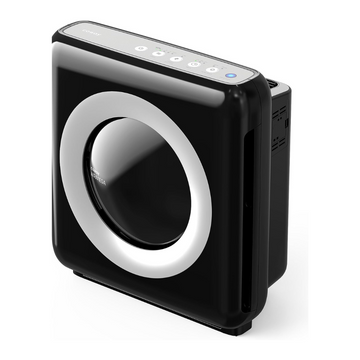
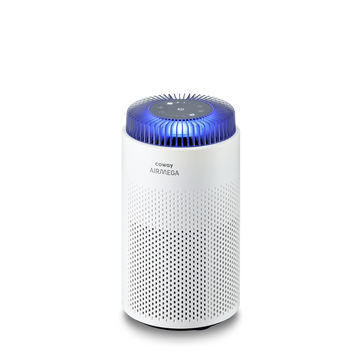
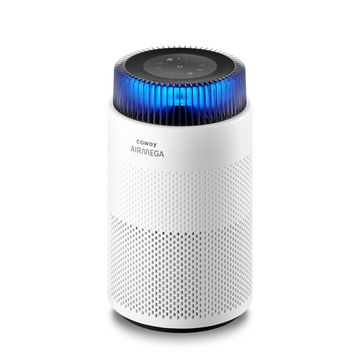
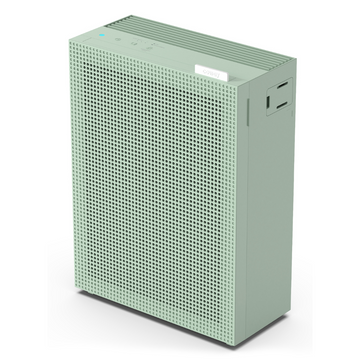
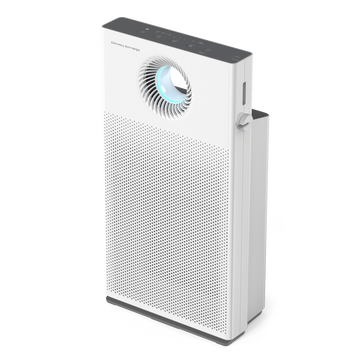
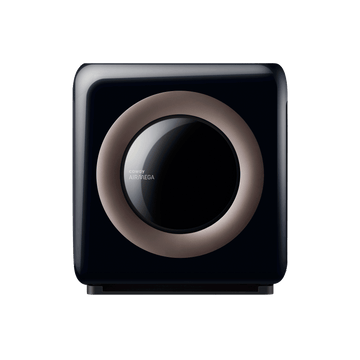


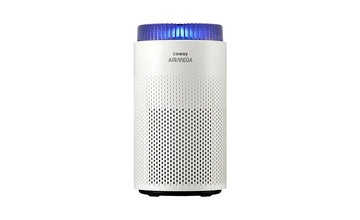

Indoor air quality affects your health more than you might realise. According to research from the UK Parliament's Parliamentary Office of Science and Technology, most people spend approximately 80-90% of their time indoors[1], yet studies by the US Environmental Protection Agency have found that indoor air can be 2 to 5 times more polluted than outdoor air[2]. Understanding the signs you need an air purifier can help you take control of your home environment and protect your family's wellbeing.
Do I Need an Air Purifier? 10 Key Warning Signs
1. Persistent Allergies or Respiratory Symptoms
If you or your family members experience frequent sneezing, coughing, watery eyes, or nasal congestion that worsens indoors, poor air quality may be the culprit. These symptoms often intensify at home because common indoor allergens become concentrated in enclosed spaces.
Common indoor allergens include:
-
Dust mites and their waste particles
-
Pet dander from cats, dogs, and other animals
-
Pollen that enters through windows and doors
-
Mould spores from damp areas
Modern air purifiers with advanced filtration systems can capture particles as small as 0.01 microns. Coway air purifiers, for example, can remove 99.999% of particles at this microscopic level, which includes most allergens and many airborne pathogens.

2. Visible Dust Accumulation
When you notice dust settling on surfaces shortly after cleaning, it indicates high levels of airborne particles circulating throughout your home. Excessive dust isn't just a nuisance—it contains a mixture of dead skin cells, fabric fibres, soil particles, and potentially harmful substances.
Dust accumulation suggests your home's ventilation cannot adequately filter or remove particulates. An air purifier works continuously to capture these particles before they settle, significantly reducing the cleaning burden and improving air quality.
3. Unpleasant or Lingering Odours
Persistent smells that won't dissipate despite cleaning and ventilation often signal poor air circulation and the presence of volatile organic compounds (VOCs). These odours might stem from:
-
Cooking fumes and kitchen emissions
-
Pet-related smells
-
Tobacco or vape smoke
-
Chemical off-gassing from furniture, carpets, or paint
-
Mildew or dampness
Quality air purifiers equipped with activated carbon filters effectively neutralise odours and chemical pollutants, leaving your home smelling fresh without relying on artificial fragrances that merely mask problems.
4. Living with Pets
Pet ownership brings joy but also introduces significant air quality challenges. Dogs and cats constantly shed dander—microscopic skin flakes that become airborne and trigger allergic reactions in sensitive individuals. Pet hair, saliva proteins, and urine particles also contribute to indoor air pollution.

Why do I need an air purifier if I have pets?
Even with regular grooming and cleaning, pet allergens persist throughout your home. They're particularly problematic because they're sticky and small, allowing them to remain airborne for extended periods and penetrate deep into soft furnishings. An air purifier continuously removes these allergens, making cohabitation more comfortable for everyone.
5. Recent Renovation or New Furniture
New construction materials, paint, carpeting, and furniture release VOCs as they off-gas. These chemicals can cause headaches, dizziness, eye irritation, and respiratory issues. The off-gassing process may continue for weeks or months after installation.
When to use an air purifier following renovations? Immediately and continuously for at least several months. This helps remove harmful chemicals from your indoor environment during the peak off-gassing period.
6. Living in an Urban Area
City dwellers face elevated exposure to outdoor pollution that infiltrates homes through windows, doors, and ventilation systems. Traffic emissions, industrial pollutants, and particulate matter from construction all degrade urban air quality.
According to the Royal College of Physicians, air pollution is estimated to contribute to the equivalent of 30,000 deaths in the UK in 2025 and costs the economy more than £27 billion annually[3]. An air purifier provides a protective barrier, filtering out harmful pollutants before they accumulate indoors.
7. Asthma or Other Respiratory Conditions
For individuals with asthma, chronic obstructive pulmonary disease (COPD), or other respiratory conditions, clean air isn't just a comfort issue—it's a medical necessity. Airborne irritants trigger symptoms and exacerbate existing conditions.
Asthma + Lung UK reports that around two-thirds of people with asthma say poor air quality makes their asthma worse, putting them at risk of an asthma attack[4]. Air purifiers can help remove triggers before they provoke respiratory distress, potentially reducing symptoms and the need for medication when used consistently.
8. Mould or High Humidity
Visible mould growth or a persistent musty smell indicates moisture problems and active mould spore circulation. Mould exposure causes allergic reactions, respiratory issues, and in some cases, serious health complications.
The Royal College of Paediatrics and Child Health notes that around 10 to 15% of UK homes have dampness, which can lead to fungal growth[5]. Whilst an air purifier cannot eliminate existing mould growth (which requires proper remediation), it can capture airborne spores and prevent them from spreading throughout your home. Pairing an air purifier with proper ventilation and humidity control creates an inhospitable environment for mould development.
9. Weak Immune System or Health Vulnerabilities
Elderly family members, young children, pregnant women, and individuals with compromised immune systems benefit significantly from cleaner air. Their bodies are less capable of fighting off infections and more susceptible to pollutant-related health issues.
An air purifier provides an extra layer of protection by removing bacteria, viruses, and other pathogens from the air. This is particularly valuable during cold and flu season when airborne transmission risks increase.
10. Poor Sleep Quality
Unexplained sleep disturbances may relate to air quality issues. Allergens, dust, and chemical pollutants can cause nasal congestion, coughing, and general discomfort that disrupts rest. Additionally, poor air quality has been linked to sleep apnoea and other sleep-related breathing disorders.
Running an air purifier in the bedroom creates a cleaner sleeping environment, potentially improving sleep quality and helping you wake more refreshed.
How to Know If You Need an Air Purifier: Complete Assessment Guide
Determining whether you need an air purifier involves evaluating multiple factors related to your health, home environment, and lifestyle. Use this comprehensive checklist to assess your indoor air quality needs.
Your Indoor Air Quality Assessment Checklist
Health & Symptom Indicators
|
Symptom/Condition |
Check if Applies |
Severity Level |
|
Frequent sneezing, coughing, or congestion that worsens indoors |
☐ |
High Priority |
|
Watery or itchy eyes when at home |
☐ |
High Priority |
|
Diagnosed asthma or COPD |
☐ |
Critical Priority |
|
Seasonal allergies that persist year-round indoors |
☐ |
High Priority |
|
Unexplained headaches or fatigue at home |
☐ |
Medium Priority |
|
Difficulty sleeping or frequent night-time coughing |
☐ |
High Priority |
|
Symptoms improve when you leave your home |
☐ |
High Priority |
|
Skin irritation or eczema flare-ups at home |
☐ |
Medium Priority |
Environmental & Home Factors
|
Home Characteristic |
Check if Applies |
Risk Level |
|
Home located near busy roads or motorways |
☐ |
High Risk |
|
Home located in urban or industrial area |
☐ |
High Risk |
|
Visible dust accumulation within 1-2 days of cleaning |
☐ |
High Risk |
|
Persistent musty or unpleasant odours |
☐ |
High Risk |
|
Visible mould or signs of dampness |
☐ |
Critical Risk |
|
Poor ventilation or windows rarely opened |
☐ |
High Risk |
|
Home built or renovated within the past year |
☐ |
High Risk |
|
New furniture, carpeting, or paint within 6 months |
☐ |
Medium Risk |
|
Home older than 10 years with original ventilation |
☐ |
Medium Risk |
|
Basement or ground-floor living space |
☐ |
Medium Risk |
Lifestyle & Household Factors
|
Lifestyle Factor |
Check if Applies |
Impact Level |
|
One or more pets living indoors |
☐ |
High Impact |
|
Anyone in household smokes or vapes |
☐ |
Critical Impact |
|
Frequent use of scented candles or air fresheners |
☐ |
Medium Impact |
|
Gas cooker or stove used daily |
☐ |
High Impact |
|
Wood-burning stove or fireplace in use |
☐ |
High Impact |
|
Household member works from home full-time |
☐ |
Medium Impact |
|
Young children (under 5) in the household |
☐ |
High Impact |
|
Elderly residents (over 65) in the household |
☐ |
High Impact |
|
Pregnant woman in the household |
☐ |
High Impact |
|
Anyone with compromised immune system |
☐ |
Critical Impact |
Cleaning & Maintenance Indicators
|
Maintenance Issue |
Check if Applies |
Action Needed |
|
HVAC filters not changed in over 3 months |
☐ |
Immediate |
|
Visible dust on air vents or return grilles |
☐ |
Immediate |
|
Condensation regularly appears on windows |
☐ |
Immediate |
|
Carpets or upholstery not deep-cleaned annually |
☐ |
Soon |
|
Kitchen extractor fan rarely used when cooking |
☐ |
Immediate |
|
Bathroom lacks adequate ventilation |
☐ |
Immediate |
Interpreting Your Results
Count your total ticks in each priority/risk category:
Critical Priority/Risk (7+ ticks across all categories): An air purifier is highly recommended. Your home environment presents multiple risk factors that could significantly impact health. Consider multiple units for different rooms, focusing first on bedrooms and main living areas.
High Priority/Risk (4-6 ticks): An air purifier would provide substantial benefits. Your indoor air quality is likely compromised by several factors. Start with one quality unit in the room where you spend the most time.
Medium Priority/Risk (2-3 ticks): An air purifier could improve your comfort and health. Whilst not critical, addressing these factors proactively can prevent future issues and enhance overall wellbeing.
Low Priority/Risk (0-1 ticks): Your indoor air quality may be acceptable, but monitoring remains important. Consider an air purifier if you want to maintain optimal air quality or if your situation changes.
Additional Diagnostic Questions
Answer these questions to further clarify your needs:
Do your symptoms worsen during specific times?
-
If yes during cooking times: Kitchen ventilation and air purification needed
-
If yes at night: Bedroom air purifier recommended
-
If yes during winter: Heating system may be circulating pollutants
Does anyone avoid certain rooms due to discomfort?
-
This indicates localised air quality problems requiring targeted solutions
Have you noticed increased cleaning frequency is required?
-
Suggests high particulate levels that an air purifier could reduce
Do you live in an area with seasonal wildfires or high pollen counts?
-
Air purifiers become essential during peak seasons to maintain indoor safety
Do You Need an Air Purifier? Understanding Your Options
Not all air purifiers are created equal. When selecting a device, consider:
Filtration technology: Look for multi-stage filtration that includes a pre-filter, HEPA filtration, and activated carbon. Advanced models can capture particles as small as 0.01 microns—far smaller than the 0.3 micron standard that older HEPA systems target.
Room coverage: Choose a purifier rated for spaces larger than your intended room to ensure adequate air circulation and filtration efficiency.
Air changes per hour (ACH): Quality purifiers should cycle the entire room's air volume at least 4-5 times hourly for optimal results.
Noise levels: Since you'll likely run the device continuously, select a model with quiet operation, particularly for bedrooms.
Maintenance requirements: Factor in filter replacement costs and frequency when evaluating long-term value.

When to Use an Air Purifier for Maximum Benefit
For best results, operate your air purifier continuously rather than intermittently. Air quality constantly fluctuates as you move through your home, cook, clean, and go about daily activities. Continuous operation maintains consistent filtration and prevents pollutant build-up.
Optimal placement strategies:
-
Position the purifier in rooms where you spend the most time
-
Keep devices away from walls and furniture to ensure proper air circulation
-
Place purifiers in bedrooms for overnight protection
-
Consider multiple units for larger homes or multi-storey residences
When to Use an Air Purifier: Special Circumstances
Certain situations call for immediate air purifier deployment:
Wildfire smoke: When outdoor air quality deteriorates due to fires, an air purifier prevents harmful particles from accumulating indoors. Keep windows closed and run purifiers on high settings.
Pollen seasons: Spring and autumn bring elevated pollen counts. Running purifiers during peak allergy seasons significantly reduces symptoms.
Illness in the household: When family members fall ill, air purifiers help prevent airborne transmission of pathogens to other household members.
After cleaning: Dusting and vacuuming stir up settled particles. Run your purifier on a higher setting for several hours after cleaning to capture disturbed pollutants.
Do I Need an Air Purifier? The Health Investment Perspective
Clean air represents a fundamental health investment. Poor indoor air quality contributes to both immediate symptoms and long-term health consequences, including:
-
Increased susceptibility to respiratory infections
-
Worsening of existing conditions like asthma and allergies
-
Cardiovascular strain from particulate matter exposure
-
Reduced cognitive function and productivity
-
Higher cancer risk from prolonged VOC exposure
The Royal College of Physicians' report emphasises that indoor air pollution also poses a growing concern. Poor ventilation, damp and mould, and emissions from domestic heating, gas cooking and household products all contribute significantly to poor health outcomes[6].
The World Health Organisation identifies household air pollution as a significant health risk. Almost all of the global population breathes air that exceeds WHO guideline limits and contains high levels of pollutants, making air quality improvement essential for public health[7].
Making the Decision: Your Air Quality Matters
Understanding the signs you need an air purifier empowers you to make informed decisions about your home environment. If you've identified multiple warning signs in your living space, an air purifier isn't just a luxury—it's a practical solution to genuine health and comfort concerns.
Start by assessing which rooms would benefit most from air purification, then select devices appropriate for those spaces. Monitor changes in symptoms, dust accumulation, and overall comfort levels after installation. Most users notice improvements within days of consistent use, with maximum benefits appearing after several weeks of continuous operation.
Your lungs filter approximately 11,000 litres of air daily. Making that air as clean as possible protects not just your immediate comfort but your long-term health and wellbeing. When you recognise the signs, taking action with an air purifier becomes an obvious step toward a healthier home.
References
[1] UK Parliament Parliamentary Office of Science and Technology (POST). "Indoor Air Quality." POSTbrief 54, 2024. Available at: https://post.parliament.uk/research-briefings/post-pb-0054/
[2] US Environmental Protection Agency. "Indoor Air Quality." Report on the Environment, June 2025. Available at: https://www.epa.gov/report-environment/indoor-air-quality
[3] Royal College of Physicians. "Air pollution linked to 30,000 UK deaths in 2025 and costs the economy and NHS billions, warns Royal College of Physicians." June 2025. Available at: https://www.rcp.ac.uk/news-and-media/news-and-opinion/air-pollution-linked-to-30-000-uk-deaths-in-2025-and-costs-the-economy-and-nhs-billions-warns-royal-college-of-physicians/
[4] Asthma + Lung UK. "Air pollution and asthma." 2024. Available at: https://www.asthmaandlung.org.uk/conditions/asthma/asthma-triggers/pollution
[5] Royal College of Paediatrics and Child Health. "Air pollution in the UK - position statement." 2024. Available at: https://www.rcpch.ac.uk/resources/air-pollution-uk-position-statement
[6] Royal College of Physicians. "A breath of fresh air: responding to the health challenges of modern air pollution." June 2025. Available at: https://www.rcp.ac.uk/policy-and-campaigns/policy-documents/a-breath-of-fresh-air-responding-to-the-health-challenges-of-modern-air-pollution/
[7] World Health Organisation. "Household air pollution." Fact sheet, October 2024. Available at: https://www.who.int/news-room/fact-sheets/detail/household-air-pollution-and-health


