


Key Takeaways
-
Most modern air purifiers with HEPA and carbon filters are completely safe for home use
-
Ozone-generating air purifiers pose serious health risks and should be avoided
-
Proper maintenance and certified models ensure maximum safety
-
Side effects are typically mild and often related to improper use or pre-existing conditions
-
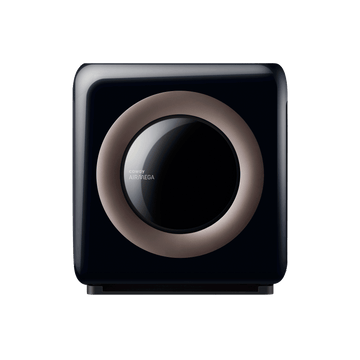
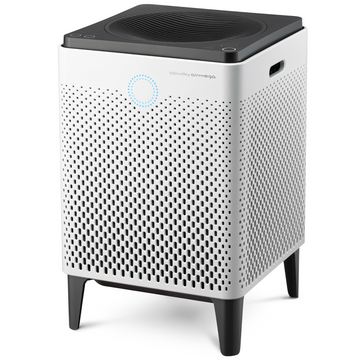
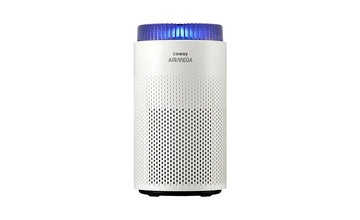
Coway air purifiers use proven safe technologies without harmful emissions
Understanding Air Purifier Safety Concerns
Are air purifiers safe? This question concerns millions of homeowners considering these devices for better indoor air quality. The straightforward answer is yes—when you choose the right type and use them correctly, air purifiers are not only safe but beneficial for your health.
However, not all air purification technologies are created equal. Understanding which types are safe, potential side effects, and how to use them properly makes all the difference between improving your indoor environment and potentially causing harm.
The confusion around air purifier safety often stems from older technologies and misconceptions about how modern devices work. This guide examines the science, addresses common concerns, and helps you make informed decisions about air purification in your home.
Are Air Purifiers Dangerous? Separating Fact from Fiction
The Ozone Problem
The most significant danger in air purification comes from ozone-generating devices. These units, sometimes marketed as "activated oxygen" or "energised oxygen" cleaners, produce ozone gas as their primary cleaning mechanism.
Why ozone generators are harmful:
-
Ozone is a lung irritant that can worsen asthma and respiratory conditions
-
The UK Health Security Agency and European health authorities explicitly warn against ozone generators in occupied spaces
-
Even low levels of ozone exposure can cause chest pain, coughing, and shortness of breath
-
Long-term exposure may permanently damage lung tissue
-
They're particularly dangerous for children, elderly individuals, and those with respiratory conditions
According to the World Health Organization's European guidelines, ozone concentrations should not exceed 0.05 ppm (parts per million) as an 8-hour average to protect public health.
Safe Air Purification Technologies
Modern air purifiers use proven safe technologies that don't produce harmful byproducts:
HEPA Filtration: Captures 99.97% of particles 0.3 microns or larger through mechanical filtration—no chemicals or gases produced. European Standard EN 1822 certifies HEPA filters that remove at least 99.95% of particles.

Activated Carbon: Absorbs odours, gases, and volatile organic compounds (VOCs) through adsorption—a completely passive and safe process.

UV-C Light: When properly shielded, UV-C technology safely neutralises microorganisms without exposing users to ultraviolet radiation.
Ionisation (When Done Right): Modern ionisers from reputable manufacturers produce negligible ozone well below WHO safety limits (0.05 ppm).
Common Air Purifier Side Effects (And Why They Happen)
Whilst safe air purifiers don't cause serious health problems, some users report minor side effects, typically related to adjustment periods or improper use.
Temporary Discomforts
|
Side Effect |
Cause |
Solution |
|
Dry air sensation |
Increased air circulation (not actual humidity reduction) |
Run humidifier separately; adjust fan speed |
|
Headaches |
Initial cleaning releasing trapped odours; white noise sensitivity |
Start at lower settings; ensure adequate ventilation |
|
Sore throat |
Dry mouth from sleeping near strong airflow |
Position unit away from bed; reduce fan speed at night |
|
Dizziness (rare) |
Reaction to suddenly cleaner air or released particles during initial use |
Start with short operating periods; gradually increase |
Understanding the Adjustment Period
From personal experience testing air purifiers in various environments, the first 2-3 days of use can feel unusual as your space transitions to cleaner air. The device mobilises settled dust and allergens before capturing them, which may temporarily increase symptoms for sensitive individuals.
What actually happens:
-
The air purifier begins pulling in contaminated air
-
Particles previously settled on surfaces become airborne
-
The device captures these particles, but initial circulation may cause brief exposure
-
After 24-48 hours, air quality significantly improves as most contaminants are removed
This isn't a side effect of the purifier itself but rather evidence it's working. Users with allergies or asthma should start their new air purifier on a lower setting and gradually increase intensity.
Research from the UK Health Security Agency confirms that properly maintained portable air purifiers can reduce PM2.5 concentrations by between 22.6% and 92% without producing harmful byproducts.
Are Air Purifiers Bad for You? Debunking Common Myths
Myth 1: "Air purifiers make you dependent on clean air"
Reality: Your body doesn't lose its ability to handle normal air quality. This myth likely stems from people noticing poor air quality more after experiencing cleaner air—increased awareness, not dependency.
Myth 2: "HEPA filters release trapped particles back into the air"
Reality: HEPA filters use mechanical capture that tightly binds particles in the filter media. They don't release captured contaminants unless the filter is physically damaged or completely saturated beyond its rated capacity.
Myth 3: "Air purifiers reduce beneficial bacteria and weaken immunity"
Reality: Air purifiers target harmful particles, allergens, and pathogens. The bacteria necessary for healthy immune development comes primarily from food, environment interaction, and outdoor exposure—not from indoor airborne bacteria.
Myth 4: "Running an air purifier 24/7 is dangerous"
Reality: Modern air purifiers are designed for continuous operation. Running them constantly is actually recommended for maintaining consistent air quality and maximising effectiveness.
Safe Air Purifiers: What to Look For
Essential Safety Certifications
When shopping for air purifiers, certifications confirm the device has been independently tested for safety and performance:
CE Marking: Required in the European Union, confirming the device meets EU safety, health, and environmental protection standards.
ECARF Certification: European Centre for Allergy Research Foundation seal confirms the device is suitable for allergy sufferers.
Quiet Mark: UK-based certification for low-noise appliances, important for bedroom use.
Energy Star (EU Equivalent): EU Energy Label indicates energy efficiency and environmental standards compliance.
British Standards (BS EN): Compliance with British and European standards for electrical safety and performance.
Features That Enhance Safety
Look for air purifiers with these safety-focused features:
-
Auto shut-off when the unit is tipped or the filter drawer is opened
-
Filter replacement indicators to prevent running with saturated, ineffective filters
-
Child locks on control panels for households with young children
-
Low EMF emissions for placement near sleeping areas
-
Quiet operation to avoid noise-related stress or sleep disruption
-
Certified ozone-free or ozone emissions below 0.05 ppm
Choosing the Right Air Purifier for Maximum Safety
For Allergy and Asthma Sufferers
People with respiratory sensitivities need air purifiers that provide relief without triggering symptoms. Coway's air purification systems feature multi-stage filtration specifically designed for allergy relief.
Recommended features:
-
HEPA filtration (non-negotiable for particle removal)
-
Activated carbon pre-filter for odour and gas absorption
-
Lowest possible noise levels for bedroom use
-
Proven low ozone emissions (under 0.001 ppm)
-
Automatic mode that adjusts to air quality changes
Research from the Isle of Wight study on asthma control demonstrated that HEPA air purifiers significantly improved rhinitis quality of life scores and sleep quality in adults with asthma.
For Families with Children
Children are more vulnerable to air quality issues due to faster breathing rates and developing respiratory systems. Safety becomes paramount.
Essential considerations:
-
No exposed UV lights or ionisation chambers
-
Stable base that won't tip easily
-
Cool-to-the-touch exterior during operation
-
Filter compartment that locks or requires tools to open
-
No small removable parts that could be choking hazards
For Sensitive Individuals
Some people are particularly sensitive to environmental changes, electromagnetic fields, or specific chemicals.
Prioritise these elements:
-
Minimal plastic components (which can off-gas VOCs when new)
-
Low EMF certification
-
Models with only mechanical filtration (HEPA + carbon)
-
Brands with transparent material sourcing and testing
Making the Safe Choice: Your Air Purifier Decision
Choosing a safe air purifier comes down to selecting proven technology from reputable manufacturers. When you prioritise HEPA filtration, verify safety certifications, and avoid ozone-generating features, air purifiers pose virtually no health risks whilst providing significant benefits.
The key is understanding that air purifier safety isn't about whether to use one, but about choosing the right type. Modern air purification technology using mechanical filtration has an outstanding safety record backed by decades of medical and residential use.
Consider your specific needs—allergies, asthma, general air quality improvement—and match them with appropriately sized, certified safe models. Explore Coway's range of certified safe air purifiers designed with your family's health and safety as the priority.
Your Action Plan for Safe Air Purification
Start your journey to cleaner, safer indoor air with these steps:
-
Verify certifications: Check for CE marking, ECARF, and relevant British Standards before purchasing
-
Choose HEPA filtration: Make HEPA filters your non-negotiable requirement
-
Avoid ozone: Steer clear of any air purifier marketed as using "activated oxygen" or producing ozone
-
Size appropriately: Match the CADR rating to your room size for optimal performance
-
Maintain regularly: Set reminders for filter checks and replacements
-
Position correctly: Place units for maximum effectiveness and user comfort
Clean air shouldn't come with health compromises. With proper selection and use, air purifiers safely improve your indoor environment, reduce allergens, and help your family breathe easier—without the risks associated with inferior or outdated technologies.
Frequently Asked Questions
Can air purifiers make you sick?
Properly functioning air purifiers with HEPA and carbon filtration cannot make you sick. If you experience symptoms, check for: saturated filters needing replacement, ozone-generating features (avoid these entirely), improper placement causing direct airflow, or coincidental illness unrelated to the device.
Do air purifiers emit radiation?
Air purifiers emit negligible electromagnetic field (EMF) radiation similar to other household appliances. They do not emit ionising radiation. If concerned about EMF exposure, choose models without ionisation features and place units at least 0.9 metres (3 feet) from prolonged sitting or sleeping areas.
Are ionic air purifiers dangerous?
Modern ionic air purifiers from reputable manufacturers are safe when they produce ozone below WHO limits (0.05 ppm or less). However, many experts recommend sticking with pure HEPA filtration to avoid any ozone exposure, particularly for households with children or respiratory conditions.
How close can you sleep to an air purifier?
Position air purifiers at least 1.8-2.4 metres (6-8 feet) from your bed. Whilst there are no safety concerns with closer placement, this distance prevents the sensation of constant airflow, reduces noise exposure, and allows for better air circulation throughout the room.
Can air purifiers cause breathing problems?
Quality air purifiers do not cause breathing problems. If you experience respiratory issues after installing an air purifier, the device is likely removing previously tolerated contaminants, revealing underlying sensitivity, or you may have an ozone-producing model that should be replaced immediately.
Are air purifiers safe for babies and pets?
HEPA-based air purifiers are safe for babies and pets. In fact, they're beneficial as infants and animals are more vulnerable to air quality issues. Ensure the unit has a stable base to prevent tipping and place it out of reach of curious toddlers and pets. Avoid any models with ozone generation.
References
This article has been thoroughly researched and draws from peer-reviewed studies, UK government health agencies, European health organisations, and authoritative medical institutions to ensure content accuracy and integrity.
UK Government and Health Sources
-
UK Health Security Agency. (2021). Portable air purification: Review of impacts on indoor air quality and health. Science of the Total Environment, 766, 142585. https://researchportal.ukhsa.gov.uk/en/publications/portable-air-purification-review-of-impacts-on-indoor-air-quality
-
Public Health England. (2020). Indoor air quality guidelines for selected volatile organic compounds. https://www.gov.uk/government/organisations/public-health-england
-
Health and Safety Executive (HSE). Workplace ventilation and air quality standards. https://www.hse.gov.uk/ventilation/
-
Which? UK. (2024). Best air purifiers 2025: How to buy the best air purifier. Safety testing and certification guidance. https://www.which.co.uk/reviews/air-purifiers/
European Health Organisations and Standards
-
World Health Organization Regional Office for Europe. (2023). Air quality guidelines for Europe. https://www.who.int/europe/health-topics/air-pollution
-
World Health Organization. (2021). WHO global air quality guidelines: Particulate matter (PM2.5 and PM10), ozone, nitrogen dioxide, sulfur dioxide and carbon monoxide. https://www.who.int/publications/i/item/9789240034228
-
European Commission. (2008). Indoor Air Quality - Scientific Committee on Health and Environmental Risks (SCHER). Opinion on risk assessment on indoor air quality. https://ec.europa.eu/health/opinions/en/indoor-air-pollution/index.htm
-
European Centre for Allergy Research Foundation (ECARF). Air purifier certification standards for allergy sufferers. https://www.ecarf.org/en/
-
European Committee for Standardization (CEN). EN 1822: High efficiency air filters (EPA, HEPA and ULPA). European standard for filter classification and testing.
UK and European Research
-
Kadalayil, L., et al. (2024). Effects of air purifiers on rhinitis quality of life and perception of sleep quality in people with asthma: Randomised controlled trial. Clinical & Experimental Allergy, 54(3). https://onlinelibrary.wiley.com/doi/full/10.1111/cea.14459
-
Cheek, E., Guercio, V., Shrubsole, C., & Dimitroulopoulou, S. (2021). Portable air purification: Review of impacts on indoor air quality and health. Science of the Total Environment, 766, 142585. https://www.sciencedirect.com/science/article/abs/pii/S0048969720361143
-
University College London, Bartlett School for Environment, Energy and Resources. (2022). Why do people use portable air purifiers? Evidence from occupant surveys and air quality monitoring in homes in three European cities. Building Research & Information, 50(2), 213-229. https://www.tandfonline.com/doi/full/10.1080/09613218.2021.2001303
-
Sublett, J.L., et al. (2010). Air filters and air cleaners: Rostrum by the American Academy of Allergy, Asthma & Immunology Indoor Allergen Committee. Journal of Allergy and Clinical Immunology, 125(1), 32-38. https://pmc.ncbi.nlm.nih.gov/articles/PMC2824428/
-
Shih, C.H., et al. (2024). Effectiveness of air filters in allergic rhinitis: A systematic review and meta-analysis. Indoor Air, 2024, 8847667. https://onlinelibrary.wiley.com/doi/10.1155/2024/8847667
International Peer-Reviewed Research
-
Topp, C., et al. (2021). Effect of air filtration on house dust mite, cat and dog allergens and particulate matter in homes. Allergy, 77(6), 1948-1960. https://pmc.ncbi.nlm.nih.gov/articles/PMC9022093/
-
Butz, A.M., et al. (2021). HEPA filtration improves asthma control in children exposed to traffic-related airborne particles. Indoor Air, 31(2), 487-498. https://pmc.ncbi.nlm.nih.gov/articles/PMC7895332/
-
Barn, P., et al. (2023). Real-world effectiveness of portable air cleaners in reducing home particulate matter concentrations. Aerosol and Air Quality Research, 23(8). https://aaqr.org/articles/aaqr-23-08-oa-0202
-
Fermo, P., et al. (2021). Improving indoor air quality through an air purifier able to reduce aerosol particulate matter (PM) and volatile organic compounds (VOCs): Experimental results. Environmental Research, 197, 111131. https://www.sciencedirect.com/science/article/abs/pii/S0013935121004254
-
Ueki, H., et al. (2022). Effectiveness of HEPA filters at removing infectious SARS-CoV-2 from the air. mSphere, 7(4). https://pmc.ncbi.nlm.nih.gov/articles/PMC9429918/
Technical Standards and Guidelines
-
British Standards Institution. BS EN ISO 29463: High-efficiency filters and filter media for removing particles from air.
-
European Environment Agency. (2024). Air quality in Europe - 2024 report. https://www.eea.europa.eu/publications/air-quality-in-europe-2024
-
Smart Air UK. (2024). The evidence shows that air purifiers help with infection prevention and control. https://smartairfilters.com/uk/en/purifier-evidence/
-
Airflow Developments Ltd. Guide to Indoor Air Quality (IAQ) standards in the UK. https://www.airflow.com/about-us/blog/article?article_id=61
-
European Public Health Alliance (EPHA). (2024). Towards better indoor air quality in the European residential context. https://epha.org/wp-content/uploads/2024/04/epha-towards-better-indoor-air-quality-in-the-european-residential-context-_-final.pdf


